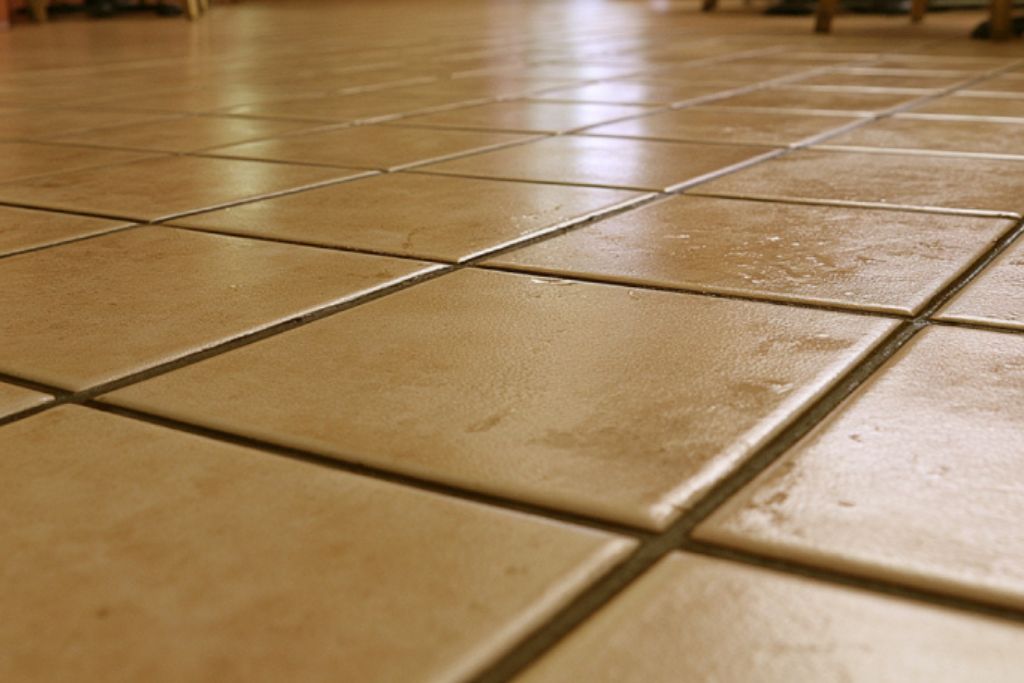
Why Grout Changes Color Over Time
When tile is first installed, the grout lines usually have a clean, consistent appearance that complements the surrounding tile. Over time, however, those grout lines may begin to look darker, yellowed, stained, or noticeably different from one area of the floor to another. In some cases, homeowners may even forget what color the grout was originally supposed to be.
This gradual change is common because grout and tile have very different surfaces. While many types of tile have relatively smooth surfaces that are easy to wipe clean, grout can be more porous and textured. Dirt, moisture, spills, cleaning residue, and everyday foot traffic can therefore affect grout differently than the tile surrounding it.
Understanding why grout changes color can help homeowners improve their maintenance routine and recognize when ordinary household cleaning is no longer enough. Professional tile and grout cleaning can remove buildup that has collected over time and leave tiled surfaces looking cleaner and more even.
Why Grout Gets Darker With Age
One of the most common grout complaints is gradual darkening. This often happens so slowly that it is difficult to notice from day to day. Homeowners may first recognize the difference when they move a piece of furniture or compare grout in a rarely used corner with grout in the middle of a busy room.
Foot traffic plays a major role in this change. Shoes and bare feet can carry dust, oils, outdoor soil, and other debris across tile floors. Regular sweeping and mopping remove much of the loose material, but some soil can settle into the textured surface of the grout. As this process repeats over months and years, grout lines in high-traffic areas may become noticeably darker.
The difference can be particularly obvious in kitchens, entryways, hallways, bathrooms, and other frequently used spaces. Grout underneath cabinets or furniture may remain closer to its original color while exposed grout develops darker traffic patterns.
This is why grout discoloration is not always uniform across an entire floor. How a room is used can have a significant effect on which areas change color first.
Grout Is More Difficult to Clean Than Tile
Tile and grout may form one continuous floor, but they should not be thought of as identical surfaces. Many ceramic and porcelain tiles have a smooth or glazed finish that prevents ordinary soil from easily becoming embedded. Grout, depending on its type and condition, can have a more porous and irregular surface.
When a tile floor is mopped, the tile itself may look clean almost immediately. The grout lines can be more challenging because dirty water and suspended soil may settle into the recessed spaces between tiles. If the cleaning solution is not thoroughly removed, some residue can remain as well.
Over time, this can create the frustrating appearance of clean tile surrounded by dark grout. Homeowners may respond by mopping more frequently or applying stronger products, but those approaches do not necessarily remove material that has already become embedded.
Professional tile and grout cleaning is designed to address the entire tiled surface while giving additional attention to grout lines where ordinary maintenance may have difficulty removing accumulated buildup.
Cleaning Products Can Affect Grout Appearance
Using more cleaning solution does not necessarily produce a cleaner floor. In fact, excessive product can sometimes contribute to the dull or dirty appearance homeowners are trying to eliminate.
When cleaning solution is not properly diluted or removed, residue may remain on the floor. That residue can create a surface that attracts additional dirt. As people continue walking across the area, new soil can stick to the remaining residue and gradually make the grout appear darker.
This can lead to a cycle where increasingly strong or concentrated cleaners are used because the floor seems to become dirty quickly after mopping. The underlying issue, however, may be residue rather than a lack of cleaning product.
Homeowners should follow manufacturer recommendations for both their flooring and cleaning products. Avoid mixing different household chemicals or assuming that a product suitable for another surface is automatically safe for grout. Certain harsh or acidic products may affect grout depending on its composition and condition.
Kitchen Grout Faces Grease, Food, and Spills
Kitchen floors experience a combination of conditions that can quickly affect grout color. Cooking oils, food particles, beverage spills, crumbs, and ordinary foot traffic all contribute to the material that eventually reaches the floor.
Even small amounts of airborne cooking residue can settle onto surfaces over time. When combined with everyday soil, this residue may make grout around cooking and food preparation areas appear darker or discolored.
Spills create another challenge. Coffee, sauces, juice, and other colored liquids may leave behind staining if they reach grout and are not addressed promptly. Because grout lines are recessed between tiles, liquids can collect there instead of remaining on the smoother tile surface.
Regular maintenance is especially important in kitchens. Cleaning spills promptly, sweeping or vacuuming loose debris, and using an appropriate mopping process can help control buildup. Once kitchen grout has become heavily soiled, however, professional cleaning may be needed to achieve a more noticeable improvement.
Bathroom Grout Can Change Color for Different Reasons
Bathrooms expose grout to conditions that are different from most other rooms. Water, humidity, soap residue, personal care products, and frequent moisture can all influence how tiled surfaces look over time.
Soap and product residue can gradually accumulate around showers, tubs, sinks, and bathroom floors. This film can trap additional soil and make grout look dull or discolored. Hard water minerals may also leave visible deposits on tiled surfaces in some homes.
Moisture management is especially important in bathrooms. Wet areas should be allowed to dry appropriately, and ventilation should be used when available to help manage humidity. Persistent discoloration associated with ongoing moisture should not automatically be assumed to be ordinary dirt.
If grout repeatedly becomes discolored despite routine cleaning, or if there are signs of an ongoing leak or moisture problem, the source should be investigated. Professional surface cleaning cannot correct a plumbing leak or another underlying moisture issue.
Why High-Traffic Grout Lines Look Different
One of the easiest ways to see the effect of foot traffic is to compare different sections of the same tiled floor. Look at the grout near the center of a hallway and compare it with grout along the wall. You may notice a significant color difference even though both areas were originally installed at the same time.
High-traffic pathways receive repeated exposure to shoes, feet, pet paws, spills, and cleaning. Fine particles of soil can be deposited over and over again in the same grout lines. Eventually, those areas begin looking darker than sections that rarely experience direct traffic.
This effect is common around kitchen islands, between entrances and living spaces, in front of sinks, near exterior doors, and along pathways through large tiled rooms. Commercial tile floors can experience the same issue on an even larger scale.
Regularly paying additional attention to these areas can help manage buildup, but heavily embedded soil may eventually require professional cleaning.
Pet-Friendly Homes Can Experience Faster Grout Discoloration
Pets introduce another source of floor soil. Dogs can carry outdoor dirt, moisture, grass, and other debris inside on their paws, while pet hair and dander can settle throughout the home. Food and water bowls may also create repeated spills in the same area.
During rainy weather, a dog can track a surprising amount of dirt across a tile floor in only a few minutes. Even after the visible paw prints are cleaned, some soil may remain within textured grout lines.
Keeping towels or mats near entrances can help reduce the amount of outdoor debris pets carry farther into the house. Cleaning around food and water bowls regularly can also prevent repeated moisture and residue from accumulating in the surrounding grout.
These small preventative habits can reduce buildup, particularly in homes with multiple pets or dogs that frequently move between indoor and outdoor spaces.
Why Mopping Can Leave Grout Looking Dirty
Mopping is an important part of tile floor maintenance, but the way a floor is mopped matters. When mop water becomes heavily soiled, continuing to use it across the floor can redistribute some of that material rather than effectively removing it.
Grout lines can be especially vulnerable because they may sit slightly below the surface of the tile. Dirty water can collect in these lower areas. Once the floor dries, some of the suspended material may remain behind.
Using too much cleaning product can compound the problem by leaving residue that attracts additional soil. A floor may initially look cleaner while wet but develop a dull appearance again after drying and receiving more foot traffic.
Changing dirty cleaning water when necessary, following appropriate dilution instructions, and removing loose debris before mopping can help produce better results. Sweeping or vacuuming first prevents as much dry soil from becoming part of the mop water.
Can Grout Be Permanently Stained?
Not every change in grout color is simply removable surface dirt. Depending on the type and condition of the grout, certain spills or contaminants may cause staining that penetrates below the surface. Age, previous treatments, cleaning products, and the length of time a spill remained in place can all influence the result.
Professional cleaning can often produce a significant improvement in heavily soiled grout, but cleaning cannot guarantee that every form of permanent discoloration will disappear. An inspection can help distinguish between accumulated soil and changes that may be more difficult to reverse.
Grout can also experience physical changes as it ages. Cracking, deterioration, missing sections, or other damage cannot be corrected simply through cleaning. These conditions may require repair rather than additional cleaning.
Understanding the difference between dirty grout, stained grout, and damaged grout can help homeowners choose the appropriate solution instead of repeatedly scrubbing an area that needs a different type of attention.
Does Grout Sealer Prevent Discoloration?
Depending on the type of grout and tile installation, a suitable sealer may help reduce the rate at which certain substances penetrate the grout. However, sealing does not make a floor maintenance-free or completely stain-proof.
Sealed grout can still accumulate surface soil, spills, residue, and everyday buildup. Regular sweeping, appropriate mopping, and prompt spill cleanup remain important. Sealers can also wear over time, particularly in areas that receive frequent foot traffic or repeated cleaning.
Homeowners should follow the recommendations for their particular grout and tile rather than assuming every tiled surface should be treated with the same sealer. Natural stone installations may also have different care requirements than ceramic or porcelain tile.
If you are unsure whether your grout has been sealed or whether sealing is appropriate, a flooring or tile care professional can help you understand the options for your specific surface.
Why Scrubbing Grout by Hand Has Its Limits
A small section of lightly soiled grout may respond well to appropriate household maintenance, but cleaning an entire tiled floor by hand can be difficult. Grout lines create hundreds of narrow, recessed areas that require considerably more attention than the surrounding tile.
Homeowners may spend hours scrubbing only to discover that heavily traveled sections still look different from protected areas. Increasing the amount of pressure or switching to harsher chemicals is not necessarily the answer and may risk affecting the grout or surrounding flooring.
Professional tile and grout cleaning uses equipment and cleaning methods designed for larger areas and deeper accumulated soil. This can provide a more consistent result across kitchens, bathrooms, entryways, and other tiled spaces than repeatedly treating individual grout lines by hand.
How Professional Tile and Grout Cleaning Helps
Professional tile and grout cleaning is intended to remove accumulated soil and residue that ordinary household maintenance may leave behind. The exact process should be selected according to the type of tile, grout, condition of the floor, and nature of the buildup.
One of the biggest advantages is the ability to address an entire tiled area more consistently. Instead of concentrating only on the darkest grout lines, professional cleaning can remove soil from both the tile surface and grout throughout the room.
The difference can be particularly noticeable when comparing high-traffic areas with grout that has been protected by furniture or located along the perimeter of a room. Removing accumulated soil may reveal that the original grout color is considerably lighter than homeowners realized.
Professional cleaning does have limitations. It cannot repair cracked grout, fix underlying moisture problems, or guarantee removal of permanent discoloration. A proper evaluation helps determine what cleaning can realistically accomplish.
How to Keep Grout Cleaner Between Professional Cleanings
Consistent maintenance can help slow the buildup that causes grout to change appearance. Start by regularly removing loose soil through sweeping or vacuuming. This reduces the amount of dry debris available to become mixed with mop water or worked into grout through foot traffic.
Address spills promptly, especially in kitchens and other areas where strongly colored liquids, oils, or food may reach the floor. Use cleaning products appropriate for the specific tile and grout, and follow dilution instructions rather than assuming stronger concentrations will provide better results.
Entrance mats can help reduce outdoor soil, while wiping pet paws during wet weather can prevent mud from traveling across tiled rooms. In bathrooms, managing moisture and cleaning soap residue before it becomes heavily accumulated can make routine maintenance easier.
Most importantly, pay attention to changes over time. If grout remains dark even after normal cleaning or the difference between high-traffic and low-traffic areas becomes increasingly obvious, deeper professional cleaning may be appropriate.
Restore the Appearance of Discolored Grout
Grout rarely changes color overnight. In most homes, discoloration develops gradually as soil, moisture, spills, cleaning residue, cooking oils, and everyday traffic accumulate over months or years. Because the change happens slowly, homeowners may not realize how different the grout looks until they compare it with a protected section of the floor.
Routine maintenance can slow this process, but grout’s texture and location between tiles can make deeply embedded buildup difficult to remove using ordinary household methods. Professional tile and grout cleaning can provide a deeper level of cleaning when sweeping, mopping, and spot treatment are no longer producing the desired appearance.
Miracle Steam Pros provides professional tile and grout cleaning in Frisco and surrounding North Texas communities. If your grout has become dark, dull, or noticeably discolored over time, contact Miracle Steam Pros to have your tile and grout professionally evaluated and cleaned.
Frequently Asked Questions
Why did my grout turn darker over time?
Grout can gradually darken as dirt, oils, spills, cleaning residue, and other debris accumulate within its textured surface. High-traffic grout lines often become darker faster than protected areas because they receive more repeated exposure to soil.
Why is my grout darker in some areas than others?
Uneven discoloration often follows traffic patterns. Grout in entrances, hallways, kitchens, and other frequently traveled areas may collect more soil than grout underneath furniture or along walls.
Can professional cleaning restore the original grout color?
Professional cleaning can often significantly improve grout that has darkened because of accumulated soil and residue. Results depend on the grout’s condition and whether the discoloration is removable buildup or permanent staining.
Why does my grout still look dirty after mopping?
Embedded soil may remain even after routine mopping. Dirty mop water or excess cleaning product can also leave material or residue within grout lines, causing them to remain darker than the surrounding tile.
How can I prevent grout from changing color?
Regular sweeping or vacuuming, appropriate mopping, prompt spill cleanup, clean entrance mats, and using products suitable for your tile and grout can help reduce buildup. Depending on the installation, an appropriate grout sealer may also be part of the maintenance plan.


