Author: miraclesteam

The Impact Of High Foot Traffic On Commercial Carpet

The Impact of High Foot Traffic on Commercial Carpet

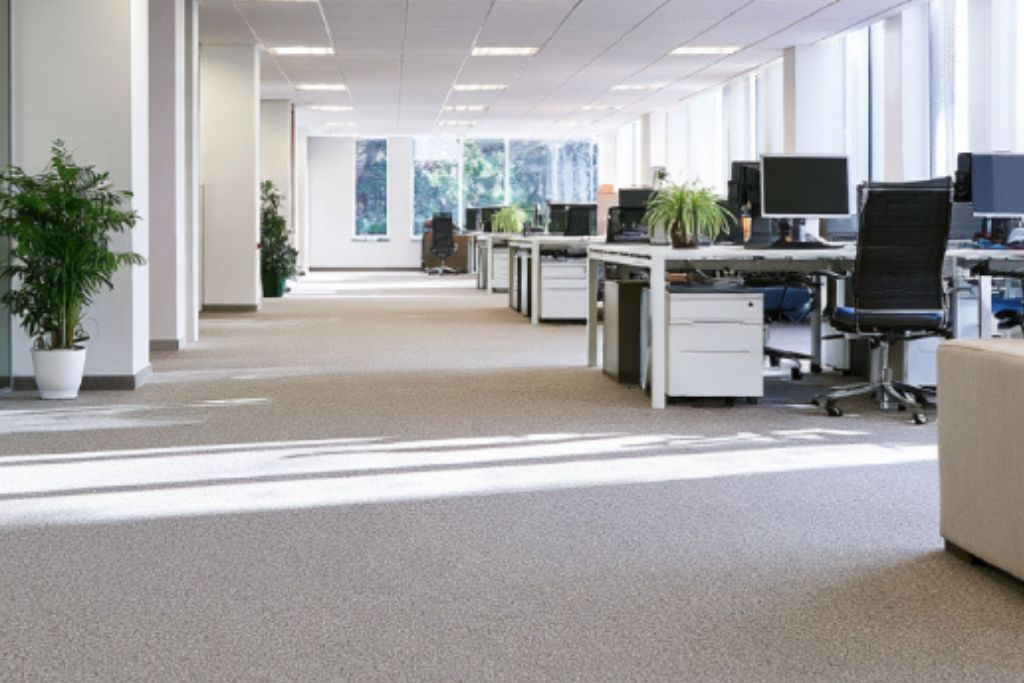
Commercial carpet is designed to handle activity, but even durable flooring is affected by hundreds or thousands of footsteps over time. In offices, medical facilities, retail stores, professional buildings, and other commercial spaces, employees and customers often follow the same pathways every day. Entrances, hallways, reception areas, and other busy sections can therefore experience considerably more use than the rest of the property.

The effects of this traffic are not always obvious at first. Fine soil is gradually tracked inside, spills happen, and repeated walking pushes debris farther into the carpet. Eventually, businesses may notice darker pathways, dull-looking fibers, stubborn spots, or a clear difference between exposed carpet and areas protected by furniture.

Understanding how foot traffic affects commercial carpet can help businesses create a better maintenance plan. Regular vacuuming, entrance matting, prompt stain treatment, and professional commercial carpet cleaning can work together to manage accumulated soil and maintain a cleaner, more professional-looking workplace.

Why High-Traffic Carpet Gets Dirty So Quickly

Every person who enters a commercial property has the potential to bring outdoor debris inside. Shoes can carry dust, sand, soil, moisture, and other particles from sidewalks, parking lots, landscaping, and surrounding outdoor areas. While entrance mats can capture some of this material, a portion inevitably reaches the carpet.

Once inside, foot traffic can carry that soil throughout the building. The first several feet around an entrance may receive the largest concentration, but particles can continue traveling along hallways and other common pathways. Employees and visitors then repeatedly walk across those same sections, causing fine material to settle between carpet fibers.

Commercial spaces can accumulate indoor debris as well. Food crumbs, drink spills, paper particles, and other material generated during normal business operations eventually reach the floor. When this combines with outdoor soil and continuous foot traffic, high-use areas may begin looking dirty much sooner than carpet in private offices or low-traffic rooms.

The amount of soil can also change throughout the year. Rain can increase tracked-in moisture and mud, while dry conditions may result in additional dust. Businesses with significant customer traffic may need to adjust their carpet maintenance practices based on seasonal conditions rather than following exactly the same routine year-round.

Traffic Lanes Are Often the First Sign of a Problem

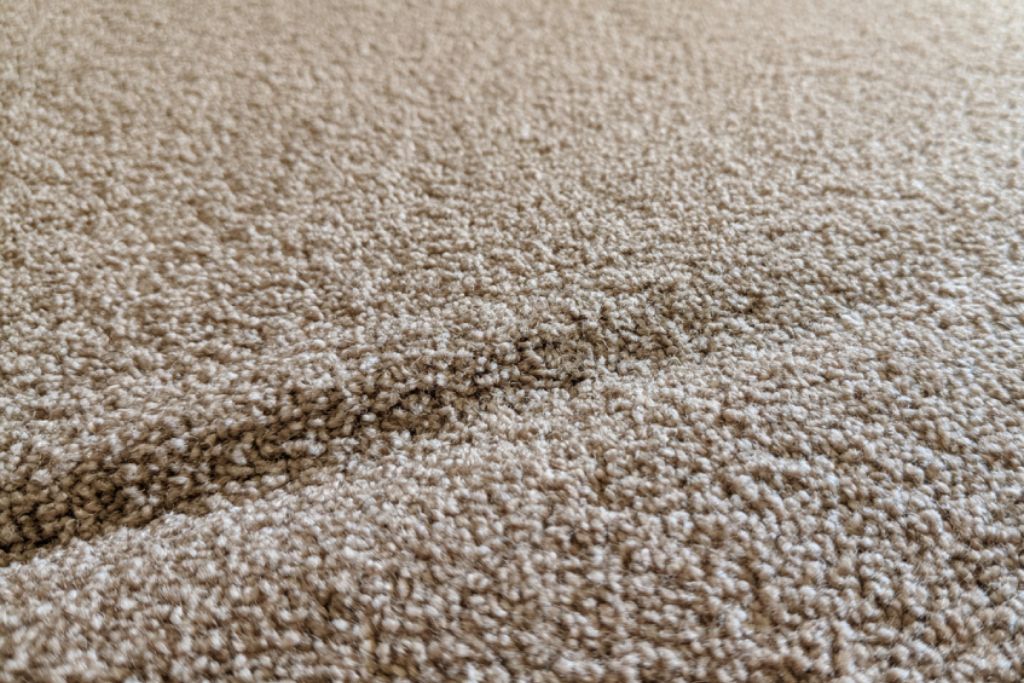
One of the most recognizable effects of heavy foot traffic is the development of visible traffic lanes. These are darker or duller pathways that correspond with the routes people most frequently take through a building. They commonly appear between entrances and reception desks, along hallways, around workstations, and in front of frequently used doors.

Traffic lanes develop because the same relatively small section of carpet receives repeated exposure to soil and foot pressure. Carpet underneath furniture may remain considerably cleaner because nobody walks across it. This can create a noticeable contrast when furniture is moved or when the carpet is viewed from a different angle.

A visible traffic lane does not necessarily mean the carpet has reached the end of its useful life. Some of the dark appearance may be accumulated soil that professional carpet cleaning can address. However, carpet can also experience permanent physical wear from years of use, and cleaning cannot reverse fibers that have been permanently worn or damaged.

This distinction is important. Professional cleaning can remove soil and improve the appearance of many heavily traveled areas, but it cannot make permanently worn carpet new again. Regular maintenance before severe traffic patterns develop can help businesses better manage the flooring over its service life.

Dry Soil Can Become Embedded in Commercial Carpet

Not all carpet soil begins as an obvious stain. In fact, a large amount of the material entering a business may consist of fine dry particles that are difficult to see individually. Sand, dust, and other small debris can settle into carpet as people continue walking across it.

This is one reason regular vacuuming is so important in commercial environments. Removing loose dry soil gives those particles less opportunity to become embedded deeper within the carpet. Busy entrances and walkways may require more frequent vacuuming than sections of the building that receive limited use.

Vacuuming technique and equipment condition matter as well. A vacuum with a full collection container, clogged filter, or poorly maintained components may not perform as effectively. Cleaning personnel should follow the equipment manufacturer’s maintenance recommendations so the vacuum can continue removing loose debris effectively.

Even a strong vacuuming program has limits. Over time, commercial carpet can accumulate material that ordinary vacuuming does not completely remove. This is where periodic professional carpet cleaning becomes an important part of a broader maintenance strategy.

Entrances Experience Some of the Heaviest Carpet Soiling

The entrance to a business serves as the transition between outdoor conditions and the interior environment. Nearly every employee, customer, patient, client, or visitor crosses the same area, making entrance carpet particularly vulnerable to heavy soiling.

During wet weather, people may bring in water and mud. During dry weather, dust and fine soil can be carried in from parking lots and sidewalks. Businesses with landscaping near their entrances may also deal with leaves, grass, and other organic debris.

Proper entrance matting can help reduce the amount of material that travels farther into the building. However, the mats themselves need regular maintenance. Once they become heavily loaded with soil, their ability to capture additional dirt is reduced.

Entrance carpet should also receive additional vacuuming attention. Maintaining the first areas people walk across can help reduce the amount of soil that is subsequently carried into hallways, offices, waiting rooms, and other carpeted spaces.

Office Hallways and Common Areas Develop Concentrated Wear

In an office building, employees tend to follow predictable paths. They may walk from the entrance to their desks, from workstations to conference rooms, and between break rooms, restrooms, printers, elevators, and other shared areas several times each day.

This creates concentrated foot traffic even in an office that does not receive many outside visitors. Hallways and pathways through open office spaces may receive substantially more use than private offices or carpet underneath desks.

Common areas can experience additional challenges because food and drinks are often carried through them. A hallway near a break room, for example, may deal with both heavy traffic and occasional coffee or food spills.

Commercial carpet maintenance should account for these differences. Treating every section of a building according to exactly the same schedule can mean heavily traveled areas do not receive enough attention while lightly used areas are cleaned more often than necessary.

Waiting Rooms and Reception Areas Face Constant Traffic

Customer-facing areas are particularly important because they combine high foot traffic with visibility. Reception areas and waiting rooms are often among the first interior spaces customers or clients see when visiting a business.

These areas can develop very specific traffic patterns. Carpet between the entrance and reception desk may become heavily used, as can the flooring surrounding chairs or pathways leading from the waiting room to other parts of the building.

Medical offices, dental practices, financial firms, law offices, and other professional businesses may have people moving through these areas throughout the entire day. Even if the rest of the office receives moderate traffic, the reception area may need a more aggressive maintenance schedule.

Keeping these sections clean contributes to the overall appearance of the business. Dark traffic lanes and obvious stains in a reception area can be particularly noticeable because customers often spend time sitting and looking around the space.

High Foot Traffic Can Make Carpet Look Older Than It Is

Commercial carpet does not always age evenly. A relatively new floor can develop noticeably darker pathways if certain areas experience intense traffic without sufficient maintenance. Meanwhile, carpet only a few feet away may continue looking nearly new because it receives little direct use.

Accumulated soil can contribute to this aged appearance. When fine particles settle into the fibers, carpet may begin looking dull even after it has been vacuumed. Spots and residue can make the difference between heavily used and protected areas even more obvious.

Professional cleaning may significantly improve carpet when the appearance difference is primarily caused by accumulated soil. However, years of repeated foot traffic can also physically affect carpet fibers. Flattening, abrasion, and other forms of permanent wear cannot simply be washed away.

Businesses should therefore avoid using visible dirt as the only signal that maintenance is needed. Addressing heavily traveled carpet before it becomes severely soiled can help prevent removable dirt from being mistaken for permanent wear.

Spills Can Become Bigger Problems in High-Traffic Areas

A small spill in an unused corner may remain relatively contained until someone notices it. The same spill in a busy hallway can quickly be walked through by several people, spreading the material across a much larger area.

Coffee is a common example in offices. An employee may spill a small amount while walking between the break room and their desk. Before the spill is cleaned, other employees may step through it and carry some of the liquid farther down the hallway.

Prompt response is particularly important in high-traffic environments. When a spill occurs, the area should be addressed using a cleaning method appropriate for the carpet. Aggressive scrubbing should generally be avoided because it can spread the spill and unnecessarily affect the fibers.

Businesses should also avoid applying excessive amounts of random cleaning products. Too much detergent can leave residue behind, and that residue may attract additional soil. A spot that initially looks clean can then darken again as more people walk across the area.

Why Regular Vacuuming Is Critical for Busy Commercial Spaces

Professional carpet cleaning is important, but it should not replace regular vacuuming. In fact, the effectiveness of a commercial carpet maintenance program depends heavily on what happens between professional services.

Vacuuming removes loose material before repeated footsteps have additional opportunities to work it deeper into the carpet. High-traffic areas may need daily or otherwise frequent attention depending on the amount of activity in the building, while lower-traffic sections may not require the same schedule.

Businesses should consider traffic patterns rather than simply dividing the building into rooms. The center of a hallway may need considerably more attention than its edges, and the path from an entrance to a reception desk may require more frequent maintenance than the carpet behind the desk.

Focusing resources on the areas that actually receive the most use can create a more practical and effective maintenance program.

The Role of Professional Commercial Carpet Cleaning

Routine maintenance helps control daily soil, but eventually commercial carpet may need a deeper cleaning. Professional carpet cleaning can address accumulated material that ordinary vacuuming and spot treatment may leave behind.

The appropriate cleaning schedule depends on the property. A busy medical office, retail store, or customer-facing business may have different needs from a small professional office with limited daily traffic. Carpet type, building layout, number of occupants, outdoor conditions, manufacturer recommendations, and existing maintenance practices should all be considered.

Professional cleaning can also focus additional attention on problem areas. Entrances, major traffic lanes, waiting rooms, and other heavily used sections can be evaluated separately from the rest of the flooring.

Rather than waiting until every section of the building looks equally dirty, businesses can schedule maintenance based on how the carpet is actually being used. This can help keep heavily traveled sections from becoming dramatically different in appearance from the surrounding floor.

How Businesses Can Reduce the Effects of Heavy Foot Traffic

Foot traffic cannot be eliminated from a successful commercial space, but the amount of soil associated with that traffic can be managed. Entrance mats are one of the simplest preventative tools because they help capture debris before it reaches the main carpeted areas. Mats should be appropriately sized for the entrance and maintained regularly.

Routine vacuuming should concentrate on the busiest pathways. Cleaning staff should pay attention to areas around entrances, reception desks, elevators, doorways, hallways, break rooms, and other spaces that receive repeated traffic throughout the day.

Spills should be addressed promptly before they are walked through and spread. Businesses should also use appropriate cleaning products rather than relying on overly strong chemicals or excessive amounts of detergent.

Finally, professional carpet cleaning should be treated as preventative building maintenance rather than a last resort. Waiting until carpet is severely soiled can make it much more difficult to maintain a consistent appearance throughout the property.

Creating a Carpet Maintenance Plan Based on Traffic

One of the most practical ways to care for commercial carpet is to divide the property according to traffic level. High-traffic areas might include entrances, main hallways, reception areas, and common pathways. Moderate-traffic areas may include conference rooms and shared workspaces, while private offices or storage rooms may receive comparatively little activity.

Maintenance can then be adjusted accordingly. High-traffic sections may require more frequent vacuuming, inspection, spot treatment, and professional cleaning. Lower-traffic areas can still be maintained regularly without necessarily receiving the same level of attention.

Businesses should also reevaluate the plan when conditions change. A growing company may have more employees than it did when the flooring was installed. A medical office may experience increased patient traffic, or a retail business may have seasonal periods with significantly more customers.

A maintenance plan should reflect the current use of the property rather than remaining unchanged simply because it has always been done a certain way.

Signs High-Traffic Carpet Needs Professional Attention

Commercial carpet does not need to become severely stained before professional cleaning should be considered. One of the first signs may simply be that major walkways look darker or duller than nearby carpet. Vacuuming may remove loose debris without restoring a consistent appearance.

Businesses may also notice stubborn spots, soil concentrated around entrances, recurring stains, or noticeable differences between exposed carpet and flooring underneath furniture. Carpet that looks dull shortly after vacuuming may contain buildup that routine maintenance is no longer removing effectively.

These conditions do not necessarily mean the carpet needs replacement. A professional evaluation can help determine how much of the appearance issue is related to removable soil and how much may be permanent wear.

Protecting Commercial Carpet in High-Traffic Workplaces

Heavy foot traffic is unavoidable in busy commercial properties. Employees need to move through the workplace, customers need to enter the building, and common areas are designed to be used. The goal of carpet maintenance is not to prevent traffic but to manage the soil and wear that come with it.

Regular vacuuming, effective entrance matting, prompt spill response, and professional commercial carpet cleaning can help businesses maintain heavily traveled flooring. Paying additional attention to entrances, hallways, reception areas, and other major pathways can also prevent those sections from becoming dramatically more soiled than the rest of the property.

Miracle Steam Pros provides professional commercial carpet cleaning in Frisco and surrounding North Texas communities. If heavy foot traffic has left your office, professional building, or commercial property with dark traffic lanes and embedded soil, contact Miracle Steam Pros for professional carpet cleaning.

Frequently Asked Questions

Why does commercial carpet get darker in high-traffic areas?

Frequently traveled areas receive repeated exposure to outdoor soil, dust, spills, and other debris. As people continue walking across the same pathways, fine material can become embedded in the carpet and create darker traffic lanes.

Can professional carpet cleaning remove traffic lanes?

Professional cleaning can improve traffic lanes caused by accumulated soil and residue. However, if the carpet fibers have experienced permanent physical wear, cleaning cannot reverse that damage. A professional evaluation can help determine what is removable soil versus permanent wear.

Which areas of commercial carpet usually get dirty fastest?

Entrances, hallways, reception areas, waiting rooms, elevator areas, doorways, and pathways between frequently used spaces generally accumulate soil faster because they receive concentrated foot traffic.

How can a business protect carpet in high-traffic areas?

Use maintained entrance mats, vacuum busy pathways regularly, address spills promptly, use appropriate spot-cleaning methods, and schedule professional cleaning according to the amount of traffic and condition of the carpet.

Should high-traffic carpet be cleaned more often than other areas?

High-traffic sections may require more frequent maintenance because they accumulate soil faster than lightly used areas. The appropriate schedule depends on the business, carpet type, traffic volume, maintenance practices, and manufacturer recommendations.
Carpet Care For Medical And Professional Office Buildings

Carpet Care for Medical and Professional Office Buildings

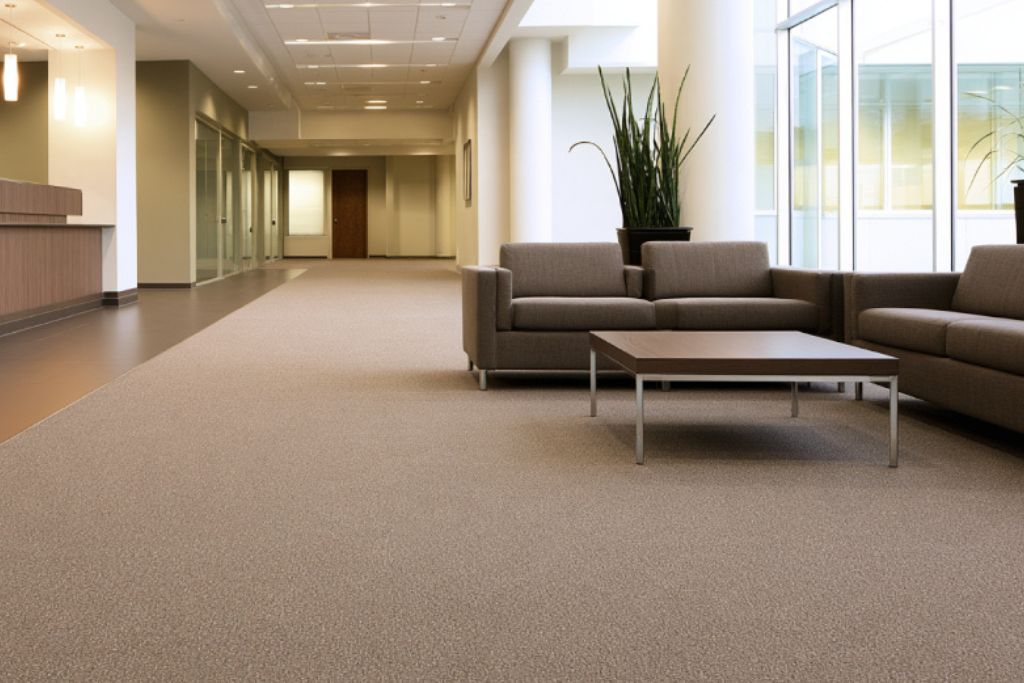
Carpet in a medical or professional office building experiences a different type of use than carpet in most homes. Patients, clients, employees, vendors, and visitors may walk through the same entrances, hallways, reception areas, and waiting rooms throughout the entire day. Even an office that looks clean and organized can accumulate a significant amount of soil within its carpet over time.

For medical offices, dental practices, law firms, financial offices, corporate buildings, and other professional environments, the condition of the flooring also contributes to the overall appearance of the property. A clean, well-maintained carpet supports a polished environment, while dark traffic lanes, coffee stains, and heavily soiled entrance areas can quickly become noticeable.

Maintaining commercial carpet requires more than waiting until it looks dirty. Regular vacuuming, prompt attention to spills, entrance maintenance, and periodic professional carpet cleaning can all work together to keep heavily used office flooring in better condition.

Why Office Carpet Requires Consistent Maintenance

Commercial carpet receives concentrated traffic throughout the workday. Employees may follow the same route from the entrance to their workstations every morning, while patients and clients repeatedly move between reception desks, waiting rooms, hallways, and individual offices. Over time, these predictable traffic patterns can cause certain sections of carpet to become noticeably more soiled than others.

Much of this soil begins outside the building. Shoes can carry dust, sand, dirt, moisture, and other outdoor debris through the entrance. Some of that material is deposited immediately, while smaller particles may travel farther into the building as people continue walking. This is why entrance carpet and major walkways often begin looking dirty before carpet underneath desks or along the edges of rooms.

Daily office activity adds even more material. Coffee spills, food crumbs, tracked-in moisture, paper debris, and other everyday messes can accumulate alongside outdoor soil. In busy offices, even a strong janitorial routine may eventually need to be supplemented with deeper professional carpet cleaning.

Waiting Rooms and Reception Areas Need Extra Attention

Reception areas are among the most visible parts of a professional building. They are also frequently among the busiest. Nearly everyone who enters the office passes through the reception area, which concentrates foot traffic into a relatively small section of flooring.

Waiting rooms create additional challenges. Visitors may remain in the area for extended periods, move chairs, carry drinks, or enter during rainy weather. The pathways between the entrance, reception desk, seating, and hallways can gradually develop noticeable traffic lanes.

For medical offices in particular, waiting areas may see a steady flow of patients throughout the day. Carpet underneath chairs may remain relatively protected while the exposed flooring around seating areas receives continuous use. This uneven traffic can make differences in carpet appearance especially noticeable.

Instead of treating every section of carpet identically, office managers can focus additional maintenance on these heavily traveled spaces. Frequent vacuuming and planned professional cleaning can help manage buildup before entrance and waiting room carpet becomes significantly darker than surrounding areas.

Hallways and Common Areas Experience Constant Foot Traffic

Hallways are another area where commercial carpet tends to show wear and soil quickly. Unlike individual offices, where movement may be relatively limited, hallways serve as pathways for nearly everyone in the building. Employees, clients, patients, delivery personnel, and maintenance workers may all use the same corridors throughout the day.

Because the traffic is concentrated along predictable paths, soil can become embedded within the carpet fibers. Regular vacuuming removes loose debris, but eventually the carpet may begin looking dull even immediately after it has been vacuumed.

Common areas near elevators, stairways, restrooms, break rooms, and conference rooms can experience similar conditions. These spaces should be considered separately when creating a carpet maintenance plan because they may require more attention than lightly used private offices.

Entrance Carpet Is the First Line of Defense Against Outdoor Soil

One of the best ways to maintain office carpet is to reduce the amount of outdoor debris that reaches it in the first place. Building entrances are where much of the dirt begins, making entrance maintenance an important part of an overall carpet care strategy.

Appropriate entrance mats can capture some of the dirt and moisture from footwear before it travels farther into the building. However, mats need to be maintained to remain effective. A mat that is already heavily loaded with soil cannot capture as much additional debris from incoming foot traffic.

Weather can also dramatically change entrance conditions. Rain may result in wet shoes and muddy footprints, while dry conditions can increase the amount of dust and fine soil entering the building. Offices may need to adjust their maintenance routines during periods when outdoor conditions create additional flooring challenges.

Keeping entrances maintained does not eliminate the need for professional carpet cleaning, but it can reduce the amount of debris that eventually reaches waiting rooms, hallways, offices, and other interior areas.

Vacuuming Is Essential, but It Has Limits

Regular vacuuming is the foundation of any commercial carpet maintenance program. Removing dry soil before it becomes deeply embedded can help maintain the carpet’s appearance and reduce the amount of buildup between professional cleanings.

High-traffic sections generally need more frequent vacuuming than low-traffic areas. An entrance or waiting room that receives dozens of visitors every day should not necessarily follow the same maintenance schedule as a private office that is occupied by one employee.

Even frequent vacuuming has limitations. A vacuum primarily removes loose debris. Oils, sticky residues, spills, and soil that has become embedded through repeated foot traffic may remain behind. Eventually, the carpet can develop dark traffic lanes or a generally dull appearance despite being vacuumed regularly.

Professional carpet cleaning complements routine vacuuming by providing deeper cleaning when ordinary maintenance is no longer producing the desired results.

Managing Coffee, Food, and Everyday Office Carpet Stains

Coffee may be one of the most predictable carpet hazards in a professional office. Employees carry cups between break rooms, desks, conference rooms, and reception areas every day. A small spill can quickly create a noticeable dark spot, particularly on lighter commercial carpet.

Food can create similar problems. Employee lunches, catered meetings, office celebrations, and snacks in waiting areas can all introduce crumbs, grease, sauces, and beverages to carpeted spaces. Prompt attention can make these messes easier to manage.

When a spill occurs, avoid aggressively scrubbing the carpet. Scrubbing can spread the material across a larger area and may affect the carpet fibers. Liquids should generally be blotted using clean, absorbent material while following appropriate care recommendations for the specific carpet.

Office staff should also avoid repeatedly applying different cleaning products to a stubborn stain. Excessive detergent can leave residue behind, while mixing cleaning chemicals can create additional problems. When a stain repeatedly returns or does not respond to appropriate spot treatment, professional cleaning may be the better solution.

Why Carpet Spots Sometimes Return After Cleaning

Office managers may occasionally notice that a stain appears to disappear after spot cleaning only to become visible again later. There are several possible reasons for this. A spill may have penetrated deeper than the visible carpet fibers, allowing material to migrate back toward the surface as the area dries.

Cleaning residue can create another problem. If too much detergent is used and some remains within the carpet, the treated section may attract new soil. Over time, that area can darken and appear as though the original stain has returned.

Repeatedly adding more cleaner is not always the answer. Recurring spots may need to be professionally evaluated so the source of the discoloration can be addressed rather than continually treating only what is visible on the surface.

Carpet Care for Medical Offices and Healthcare Environments

Medical offices have many of the same carpet maintenance challenges as other professional buildings, but traffic patterns can be particularly demanding. Patients may move from entrances to check-in areas, waiting rooms, examination areas, and checkout desks throughout the day. Staff members may also walk the same hallways repeatedly as they move between work areas.

Because medical facilities have their own cleaning, sanitation, safety, and regulatory requirements, carpet cleaning should be coordinated with the facility’s established protocols. Professional carpet cleaning is one component of floor maintenance and should not be treated as a substitute for required environmental cleaning or disinfection procedures.

Facility managers should also consider how cleaning will affect access to patient areas and normal operations. Scheduling, drying time, equipment placement, and temporary access limitations may need to be planned carefully so the work can be completed with minimal disruption.

When arranging service, communicate any facility-specific requirements to the carpet cleaning provider in advance. Clear expectations allow the cleaning plan to be developed around the needs of the property.

Professional Offices Need Carpet That Supports Their Image

For law firms, financial offices, corporate buildings, consulting firms, real estate offices, and similar businesses, the appearance of the workplace contributes to the experience clients have when visiting. Flooring is a large visual component of that environment.

A client entering a reception area may not consciously think about whether the carpet was recently cleaned, but obvious stains, dark walkways, or neglected flooring can still affect the overall impression of the space. Well-maintained carpet contributes to an office that feels cared for and professionally managed.

Conference rooms deserve attention as well. These spaces may host prospective clients, important meetings, interviews, and presentations. Coffee and food are also commonly served during meetings, creating additional opportunities for spills.

Professional carpet care should therefore extend beyond the front entrance. Reception areas, conference rooms, hallways, executive offices, and other client-facing spaces can all be included in a comprehensive maintenance plan.

How Professional Carpet Cleaning Fits Into an Office Maintenance Plan

Commercial carpet care works best as an ongoing process rather than an occasional reaction to visibly dirty floors. Routine vacuuming removes loose debris, entrance mats help control tracked-in soil, and prompt spot treatment addresses many everyday spills. Professional cleaning provides the deeper level of maintenance needed as soil continues accumulating.

The appropriate cleaning frequency varies from one property to another. A busy medical office with a constant flow of patients may have different needs from a small professional office that sees only a handful of clients each day. Weather, carpet type, building layout, number of occupants, and existing maintenance practices can also affect the schedule.

Instead of waiting for every section of carpet to become equally dirty, businesses can prioritize areas according to traffic. Entrances and waiting rooms may require attention sooner than private offices, while heavily traveled corridors may need additional maintenance throughout the year.

Carpet manufacturer recommendations should also be considered when establishing a maintenance plan, particularly when the flooring is relatively new or covered by a warranty.

Scheduling Professional Carpet Cleaning Around Office Hours

One of the biggest considerations for a commercial property is minimizing disruption. A professional office cannot always stop operations simply because the carpet needs to be cleaned, and medical facilities may have even more complicated scheduling requirements.

Planning ahead allows businesses to identify the best time for service. Depending on the property and cleaning provider, service may be scheduled around slower periods or outside normal operating hours. Larger buildings may also benefit from cleaning different sections at different times rather than addressing every carpeted area at once.

Drying time should be considered when planning access to recently cleaned areas. Businesses should discuss expected conditions with the cleaning provider and determine whether any spaces need to remain temporarily unavailable.

Office managers should also communicate which furniture or small objects need to be moved before service. Clearing loose items, boxes, wastebaskets, and personal belongings from the floor can help make the cleaning process more efficient.

Signs Your Office Carpet May Need Professional Cleaning

Businesses do not have to wait for carpet to become severely dirty before scheduling professional service. Gradual soil accumulation can be difficult to recognize because employees see the flooring every day. By the time the difference becomes obvious, high-traffic sections may already be significantly darker than surrounding areas.

Common signs that deeper cleaning may be needed include visible traffic lanes, dull carpet that does not improve after vacuuming, multiple stubborn spots, heavily soiled entrance areas, and noticeable differences between exposed flooring and carpet underneath furniture.

A recent period of unusually heavy traffic can also be a reason to evaluate the carpet. Office events, seasonal increases in visitors, renovations, or extended periods of poor weather may introduce more soil than the building normally experiences.

Regularly evaluating carpet condition allows facility managers to schedule cleaning based on actual needs rather than waiting for flooring problems to become highly visible to patients, clients, or visitors.

Building a Better Carpet Care Plan for Your Office

Effective office carpet care starts with consistency. Focus daily and weekly maintenance on the sections receiving the greatest amount of use, including entrances, reception areas, waiting rooms, hallways, and other common pathways. Keep entrance mats clean, vacuum according to traffic levels, and address spills promptly before they become established stains.

Professional carpet cleaning can then be incorporated according to the property’s traffic, carpet condition, operational needs, and flooring manufacturer recommendations. This proactive approach makes carpet care part of routine facility maintenance instead of something addressed only when the floors become noticeably dirty.

For medical and professional office buildings, the goal is not simply cleaner-looking carpet. It is maintaining flooring that supports the overall appearance and operation of a busy professional environment.

Professional Carpet Cleaning for Medical and Professional Offices

Medical offices and professional buildings place constant demands on their carpet. Repeated foot traffic, outdoor soil, coffee spills, waiting room activity, and everyday business operations can gradually leave flooring looking dull and worn even when regular vacuuming is already part of the maintenance routine.

A combination of preventative maintenance, routine vacuuming, prompt stain response, and periodic professional carpet cleaning can help businesses manage these challenges. Paying additional attention to high-traffic areas can also help keep flooring looking more consistent throughout the property.

Miracle Steam Pros provides professional commercial carpet cleaning in Frisco and surrounding North Texas communities. If the carpet in your medical office, professional building, waiting room, or other commercial property needs deeper cleaning, contact Miracle Steam Pros to discuss a carpet care plan for your facility.

Frequently Asked Questions

How often should carpet in a medical or professional office be cleaned?

There is no single schedule that works for every property. Traffic volume, carpet type, building use, weather, maintenance practices, and manufacturer recommendations can all affect cleaning frequency. High-traffic areas may need attention sooner than private offices or other lightly used spaces.

Which areas of an office usually get the dirtiest?

Entrances, reception areas, waiting rooms, hallways, elevator areas, conference rooms, and common pathways typically accumulate soil faster because they receive concentrated foot traffic throughout the day.

Can professional carpet cleaning remove office coffee stains?

Many coffee spots can be improved or removed with appropriate professional treatment, although results depend on the carpet, age of the stain, previous cleaning attempts, and what was in the beverage. Point out known stains before cleaning so they can be evaluated.

Can carpet cleaning be performed in a medical office?

Professional carpet cleaning can be part of flooring maintenance in medical offices, but it should be coordinated with the facility’s cleaning, safety, sanitation, and operational requirements. Facility-specific requirements should be discussed with the cleaning provider before service.

How can an office keep carpet cleaner between professional services?

Regular vacuuming, maintained entrance mats, prompt spill response, appropriate spot treatment, and extra attention to high-traffic sections can help manage soil between professional carpet cleaning appointments.

Why Oriental Rugs Require Specialized Cleaning And Care

Why Oriental Rugs Require Specialized Cleaning and Care

Oriental rugs can be some of the most distinctive pieces in a home. Their detailed patterns, rich colors, and traditional construction can turn an ordinary room into a carefully designed space. Many are also purchased with the expectation that they will remain part of the home for years, making proper maintenance especially important.

However, an Oriental rug should not automatically be cleaned the same way as standard wall-to-wall carpet. Differences in fibers, dyes, construction, backing, age, and previous treatments can all affect how a rug responds to moisture and cleaning solutions. A method that works well on one rug may not be appropriate for another.

Professional Oriental rug cleaning starts with a close look at the rug itself. Rather than using the same process on every rug, an experienced rug cleaner can inspect the material, construction, condition, and any problem spots before choosing the right approach.

Oriental Rugs Are Different From Standard Carpet

Wall-to-wall carpet is generally manufactured for installation across an entire room and designed to withstand regular household traffic and routine cleaning. Oriental rugs can be considerably different. Depending on the rug, they may contain natural fibers, intricate weaving, fringed edges, specialized dyes, or construction techniques that require additional consideration during cleaning.

The term “Oriental rug” can also describe a broad range of rugs rather than one specific material or construction method. Two rugs that look similar from across a room may react very differently when exposed to water, cleaning products, agitation, or heat. That is why identifying the characteristics of the individual rug is an important part of professional cleaning.

Age matters as well. An older rug may have experienced years of foot traffic, previous cleaning, spills, sunlight exposure, furniture pressure, and ordinary wear. Areas that appear stable while the rug is dry may require additional care once cleaning begins. A pre-cleaning inspection allows these concerns to be identified before treatment.

Natural Rug Fibers Require Careful Cleaning

Many Oriental rugs are made using natural fibers such as wool, although materials vary considerably from rug to rug. Natural fibers do not always respond to cleaning the same way as synthetic carpet fibers. The cleaning solution, moisture level, agitation, temperature, and drying process may all need to be adjusted according to the rug being treated.

Wool, for example, is valued for its durability and appearance, but improper cleaning can create problems. Excessive agitation or inappropriate chemistry can affect the fibers, while poor moisture management can extend drying time. The goal of professional cleaning is to remove accumulated soil without unnecessarily stressing the rug.

Some rugs may also contain more than one type of fiber. Decorative details or foundations can be constructed differently from the visible pile. This is another reason professional rug cleaning involves evaluating the complete piece rather than selecting a cleaning method based solely on how the surface looks.

Rug Dyes Can Require Special Attention

The colors are often one of the most striking features of an Oriental rug. Deep reds, blues, greens, golds, and other shades may be incorporated into detailed patterns across the rug. Protecting those colors is an important consideration during cleaning.

Not every rug uses the same dyes or dyeing process. Some colors may be more stable than others, particularly in older, handmade, or previously treated rugs. When inappropriate cleaning products or excessive moisture are introduced, there can be a risk of color migration or bleeding.

A professional rug cleaner can evaluate potential dye stability concerns before proceeding with a full cleaning. This does not mean every Oriental rug will experience color problems, but it does mean that assuming every dye will react the same way can be risky.

Homeowners should be especially cautious about experimenting with strong household stain removers on colorful rugs. A product designed for another type of flooring may affect the rug’s color or fibers. Once discoloration occurs, correcting it can be considerably more difficult than addressing the original spot.

Soil Can Settle Deep Into an Oriental Rug

A rug can look relatively clean while still containing a surprising amount of dry soil. Dust, sand, pet hair, crumbs, and other particles gradually work their way between the fibers as people walk across the rug. Some of this material can settle deeper into the pile where ordinary surface cleaning may not reach it effectively.

Regular vacuuming can help control loose debris, but technique matters. The appropriate vacuuming method depends on the rug’s construction and condition. Fringes and delicate edges may require different treatment than the main body of the rug, and aggressive vacuuming can be inappropriate for certain pieces.

Professional rug cleaning takes this deeper accumulation into account. Removing dry soil is an important part of the overall process because adding moisture before adequately addressing loose particulate matter can make cleaning more difficult.

High-traffic sections may contain substantially more soil than areas underneath furniture. Over time, this can contribute to uneven appearance and make certain sections of the rug look dull even when obvious stains are not present.

Spills and Stains Should Be Treated Carefully

Accidents happen regardless of how valuable or carefully maintained a rug may be. Coffee, wine, food, pet accidents, tracked-in mud, and other substances can all end up on an Oriental rug. The way a spill is handled immediately afterward can influence how difficult it becomes to address.

When appropriate, fresh liquid should generally be blotted rather than aggressively scrubbed. Scrubbing can spread the spill across a larger area and may place unnecessary stress on the rug fibers. Homeowners should also avoid repeatedly applying different stain removers when the first product does not work.

The appropriate treatment depends on both the substance and the rug. A stain remover that performs well on synthetic carpet could react differently with natural fibers or less stable dyes. Applying excessive cleaner can also leave residue behind or move the contamination farther into the rug.

When dealing with a valuable, delicate, or unknown rug, professional guidance can be preferable to experimenting with multiple household cleaning methods. If you know what caused the stain, tell the rug cleaning professional. Knowing whether a spot came from coffee, food, pet urine, or another substance can help when evaluating treatment options.

Pet Accidents Can Create Deeper Rug Problems

Pet urine presents a particular challenge because it may travel beyond the visible surface. Depending on the amount of liquid and the rug’s construction, urine can penetrate through the pile and affect deeper portions of the rug. Treating only the visible stain may therefore leave contamination behind.

This is one reason pet odors sometimes return after homeowners have already cleaned the affected area. The surface may look better while odor-causing material remains deeper within the rug. Adding fragrance or deodorizing powder may temporarily mask the smell without addressing its source.

Repeated pet accidents in the same location can make the problem even more difficult. Each new incident introduces additional contamination, potentially affecting a larger or deeper area of the rug.

When arranging professional cleaning, identify known pet accident locations. Specialized treatment may be necessary depending on the extent of the contamination and the construction and condition of the rug.

Fringe Requires a Different Approach

Fringe is an important visual feature on many Oriental rugs, but it can also be one of the first areas to look dirty. Because fringe is typically light in color and extends beyond the main rug surface, it can collect dust, soil, spills, and foot traffic that quickly become noticeable.

It may be tempting to scrub fringe aggressively or apply strong whitening products, but this can create problems. Fringe may be part of the rug’s structural foundation rather than simply a decorative piece attached to the ends. Excessive agitation can potentially weaken already worn fibers.

Professional cleaning considers the condition and construction of the fringe before determining how it should be treated. Older or damaged fringe may require particularly careful handling.

Drying Is Just as Important as Cleaning

Removing soil is only part of the rug cleaning process. Moisture also needs to be managed appropriately after cleaning. A rug that remains damp for an unnecessarily long period may experience problems that were not present before cleaning.

Drying conditions can affect different rug materials in different ways. The amount of moisture used, airflow, rug construction, fiber type, and environmental conditions all influence drying. Professional cleaners take these factors into consideration instead of simply saturating the rug and leaving it to dry wherever convenient.

This is one of the potential problems with heavily soaking an Oriental rug at home. Homeowners may be able to introduce a large amount of water relatively easily but lack the equipment or environment needed to manage that moisture afterward.

A controlled cleaning and drying process helps reduce unnecessary moisture exposure while allowing the rug to be cleaned according to its specific characteristics.

DIY Rug Cleaning Can Carry Unnecessary Risks

Rental carpet machines and household cleaning products can seem like an inexpensive way to refresh an area rug, but they are not appropriate for every rug. The biggest issue is that homeowners may not know how the fibers, dyes, backing, or construction will respond until after a cleaning product has already been applied.

Overwetting is another concern. Applying too much cleaning solution can leave a rug saturated, particularly if the equipment being used cannot recover moisture effectively. Excess detergent may also remain within the fibers and contribute to rapid resoiling.

Scrubbing a stubborn spot can create additional issues. Even if the stain improves, aggressive agitation may change the texture or appearance of the affected fibers compared with the rest of the rug.

For an inexpensive, machine-made rug with clear manufacturer care instructions, some household maintenance may be appropriate. For an Oriental rug with unknown fibers, dyes, age, or construction, however, professional evaluation can help avoid unnecessary experimentation.

Regular Maintenance Can Help Protect Your Rug

Professional cleaning is only one part of Oriental rug care. What happens between cleanings can make a significant difference in the amount of soil and wear the rug experiences.

Regularly remove loose soil using a vacuuming method appropriate for the rug. Keep nearby hard flooring clean so dirt is not continually tracked onto the rug, and use entrance mats to reduce the amount of outdoor debris entering the home. Promptly address spills rather than allowing liquids to sit unnoticed.

Furniture placement should also be considered. Heavy furniture can create concentrated pressure on a rug, while direct sunlight may affect colors over long periods. Rotating a rug periodically, when appropriate for the space and rug, can help distribute traffic and exposure more evenly.

A suitable rug pad can also serve several purposes depending on the rug and flooring underneath. It may help reduce movement, provide cushioning, and create separation between the rug and hard flooring. The appropriate pad should be selected for both the rug and the type of floor beneath it.

How Often Should an Oriental Rug Be Professionally Cleaned?

There is no single cleaning schedule that applies to every Oriental rug. A rug in a rarely used formal room may accumulate soil much more slowly than one in a busy living room where children and pets spend time every day.

Foot traffic, pets, indoor and outdoor conditions, vacuuming habits, spills, rug construction, and manufacturer or maker recommendations can all affect cleaning needs. Rather than relying solely on a fixed number of months or years, homeowners should pay attention to the rug’s actual condition.

Signs that professional cleaning may be appropriate include a generally dull appearance, noticeable traffic patterns, stubborn spots, lingering odors, or soil that remains despite appropriate vacuuming. A professional can also evaluate the rug and recommend a maintenance approach based on its specific characteristics.

Why Professional Rug Inspection Matters

A professional cleaning should begin with understanding what is being cleaned. Before treatment, the rug can be inspected for visible wear, staining, pet contamination, fringe condition, damaged areas, and other characteristics that may affect the cleaning process.

This is particularly important for older rugs. Existing wear may not always be obvious when the rug is lying flat in a furnished room. Identifying weakened or damaged areas before cleaning allows the process to be adjusted when necessary.

The inspection also provides an opportunity for homeowners to point out specific concerns. If a drink was spilled in one corner, a pet repeatedly used a certain area, or a previous cleaning product was applied to a stain, sharing that information can be helpful.

Professional rug cleaning should not be based on assumptions. Evaluating the rug first allows the cleaning approach to be selected according to the actual piece rather than treating every area rug exactly the same.

Protecting the Appearance and Condition of Your Oriental Rug

Oriental rugs can provide years of beauty and character, but their construction and materials can make appropriate care especially important. Natural fibers, specialized dyes, detailed weaving, fringe, and other features may require a different approach than ordinary wall-to-wall carpet.

Regular vacuuming, prompt spill response, appropriate placement, and careful everyday maintenance can help control soil between professional cleanings. When deeper cleaning is necessary, having the rug evaluated before treatment can help determine an appropriate cleaning process for its fibers, dyes, construction, and condition.

Miracle Steam Pros provides professional area rug and Oriental rug cleaning in Frisco and surrounding North Texas communities. If your rug has accumulated soil, stains, pet odors, or simply needs professional care, contact Miracle Steam Pros to discuss the appropriate cleaning options for your rug.

Frequently Asked Questions

Can Oriental rugs be cleaned like regular carpet?

Not necessarily. Oriental rugs can differ from wall-to-wall carpet in their fibers, dyes, construction, age, and condition. The rug should be evaluated so an appropriate cleaning method can be selected.

Can I use a carpet cleaner machine on an Oriental rug?

A household or rental carpet machine may not be appropriate for every Oriental rug. Excess moisture, cleaning chemistry, agitation, and drying conditions can create concerns depending on the rug’s materials and construction. Check the rug’s care recommendations or consult a professional before using this type of equipment.

Why do the colors in an Oriental rug need special consideration?

Rugs can use different dyes and dyeing processes, and some colors may respond differently to moisture or cleaning solutions. Dye stability should be considered before applying products across the entire rug.

Can professional cleaning help with pet urine in an Oriental rug?

Professional treatment can address many pet-related rug problems, but the appropriate process depends on the extent of the contamination and the rug’s materials and construction. Be sure to identify known pet accident areas before cleaning.

How do I know when my Oriental rug needs professional cleaning?

A dull appearance, visible traffic patterns, persistent spots, lingering odors, or soil that remains after appropriate vacuuming can indicate that deeper cleaning may be needed. Cleaning frequency should also account for traffic, pets, spills, and the rug’s individual care requirements.

Why Grout Changes Color Over Time

Why Grout Changes Color Over Time

When tile is first installed, the grout lines usually have a clean, consistent appearance that complements the surrounding tile. Over time, however, those grout lines may begin to look darker, yellowed, stained, or noticeably different from one area of the floor to another. In some cases, homeowners may even forget what color the grout was originally supposed to be.

This gradual change is common because grout and tile have very different surfaces. While many types of tile have relatively smooth surfaces that are easy to wipe clean, grout can be more porous and textured. Dirt, moisture, spills, cleaning residue, and everyday foot traffic can therefore affect grout differently than the tile surrounding it.

Understanding why grout changes color can help homeowners improve their maintenance routine and recognize when ordinary household cleaning is no longer enough. Professional tile and grout cleaning can remove buildup that has collected over time and leave tiled surfaces looking cleaner and more even.

Why Grout Gets Darker With Age

One of the most common grout complaints is gradual darkening. This often happens so slowly that it is difficult to notice from day to day. Homeowners may first recognize the difference when they move a piece of furniture or compare grout in a rarely used corner with grout in the middle of a busy room.

Foot traffic plays a major role in this change. Shoes and bare feet can carry dust, oils, outdoor soil, and other debris across tile floors. Regular sweeping and mopping remove much of the loose material, but some soil can settle into the textured surface of the grout. As this process repeats over months and years, grout lines in high-traffic areas may become noticeably darker.

The difference can be particularly obvious in kitchens, entryways, hallways, bathrooms, and other frequently used spaces. Grout underneath cabinets or furniture may remain closer to its original color while exposed grout develops darker traffic patterns.

This is why grout discoloration is not always uniform across an entire floor. How a room is used can have a significant effect on which areas change color first.

Grout Is More Difficult to Clean Than Tile

Tile and grout may form one continuous floor, but they should not be thought of as identical surfaces. Many ceramic and porcelain tiles have a smooth or glazed finish that prevents ordinary soil from easily becoming embedded. Grout, depending on its type and condition, can have a more porous and irregular surface.

When a tile floor is mopped, the tile itself may look clean almost immediately. The grout lines can be more challenging because dirty water and suspended soil may settle into the recessed spaces between tiles. If the cleaning solution is not thoroughly removed, some residue can remain as well.

Over time, this can create the frustrating appearance of clean tile surrounded by dark grout. Homeowners may respond by mopping more frequently or applying stronger products, but those approaches do not necessarily remove material that has already become embedded.

Professional tile and grout cleaning is designed to address the entire tiled surface while giving additional attention to grout lines where ordinary maintenance may have difficulty removing accumulated buildup.

Cleaning Products Can Affect Grout Appearance

Using more cleaning solution does not necessarily produce a cleaner floor. In fact, excessive product can sometimes contribute to the dull or dirty appearance homeowners are trying to eliminate.

When cleaning solution is not properly diluted or removed, residue may remain on the floor. That residue can create a surface that attracts additional dirt. As people continue walking across the area, new soil can stick to the remaining residue and gradually make the grout appear darker.

This can lead to a cycle where increasingly strong or concentrated cleaners are used because the floor seems to become dirty quickly after mopping. The underlying issue, however, may be residue rather than a lack of cleaning product.

Homeowners should follow manufacturer recommendations for both their flooring and cleaning products. Avoid mixing different household chemicals or assuming that a product suitable for another surface is automatically safe for grout. Certain harsh or acidic products may affect grout depending on its composition and condition.

Kitchen Grout Faces Grease, Food, and Spills

Kitchen floors experience a combination of conditions that can quickly affect grout color. Cooking oils, food particles, beverage spills, crumbs, and ordinary foot traffic all contribute to the material that eventually reaches the floor.

Even small amounts of airborne cooking residue can settle onto surfaces over time. When combined with everyday soil, this residue may make grout around cooking and food preparation areas appear darker or discolored.

Spills create another challenge. Coffee, sauces, juice, and other colored liquids may leave behind staining if they reach grout and are not addressed promptly. Because grout lines are recessed between tiles, liquids can collect there instead of remaining on the smoother tile surface.

Regular maintenance is especially important in kitchens. Cleaning spills promptly, sweeping or vacuuming loose debris, and using an appropriate mopping process can help control buildup. Once kitchen grout has become heavily soiled, however, professional cleaning may be needed to achieve a more noticeable improvement.

Bathroom Grout Can Change Color for Different Reasons

Bathrooms expose grout to conditions that are different from most other rooms. Water, humidity, soap residue, personal care products, and frequent moisture can all influence how tiled surfaces look over time.

Soap and product residue can gradually accumulate around showers, tubs, sinks, and bathroom floors. This film can trap additional soil and make grout look dull or discolored. Hard water minerals may also leave visible deposits on tiled surfaces in some homes.

Moisture management is especially important in bathrooms. Wet areas should be allowed to dry appropriately, and ventilation should be used when available to help manage humidity. Persistent discoloration associated with ongoing moisture should not automatically be assumed to be ordinary dirt.

If grout repeatedly becomes discolored despite routine cleaning, or if there are signs of an ongoing leak or moisture problem, the source should be investigated. Professional surface cleaning cannot correct a plumbing leak or another underlying moisture issue.

Why High-Traffic Grout Lines Look Different

One of the easiest ways to see the effect of foot traffic is to compare different sections of the same tiled floor. Look at the grout near the center of a hallway and compare it with grout along the wall. You may notice a significant color difference even though both areas were originally installed at the same time.

High-traffic pathways receive repeated exposure to shoes, feet, pet paws, spills, and cleaning. Fine particles of soil can be deposited over and over again in the same grout lines. Eventually, those areas begin looking darker than sections that rarely experience direct traffic.

This effect is common around kitchen islands, between entrances and living spaces, in front of sinks, near exterior doors, and along pathways through large tiled rooms. Commercial tile floors can experience the same issue on an even larger scale.

Regularly paying additional attention to these areas can help manage buildup, but heavily embedded soil may eventually require professional cleaning.

Pet-Friendly Homes Can Experience Faster Grout Discoloration

Pets introduce another source of floor soil. Dogs can carry outdoor dirt, moisture, grass, and other debris inside on their paws, while pet hair and dander can settle throughout the home. Food and water bowls may also create repeated spills in the same area.

During rainy weather, a dog can track a surprising amount of dirt across a tile floor in only a few minutes. Even after the visible paw prints are cleaned, some soil may remain within textured grout lines.

Keeping towels or mats near entrances can help reduce the amount of outdoor debris pets carry farther into the house. Cleaning around food and water bowls regularly can also prevent repeated moisture and residue from accumulating in the surrounding grout.

These small preventative habits can reduce buildup, particularly in homes with multiple pets or dogs that frequently move between indoor and outdoor spaces.

Why Mopping Can Leave Grout Looking Dirty

Mopping is an important part of tile floor maintenance, but the way a floor is mopped matters. When mop water becomes heavily soiled, continuing to use it across the floor can redistribute some of that material rather than effectively removing it.

Grout lines can be especially vulnerable because they may sit slightly below the surface of the tile. Dirty water can collect in these lower areas. Once the floor dries, some of the suspended material may remain behind.

Using too much cleaning product can compound the problem by leaving residue that attracts additional soil. A floor may initially look cleaner while wet but develop a dull appearance again after drying and receiving more foot traffic.

Changing dirty cleaning water when necessary, following appropriate dilution instructions, and removing loose debris before mopping can help produce better results. Sweeping or vacuuming first prevents as much dry soil from becoming part of the mop water.

Can Grout Be Permanently Stained?

Not every change in grout color is simply removable surface dirt. Depending on the type and condition of the grout, certain spills or contaminants may cause staining that penetrates below the surface. Age, previous treatments, cleaning products, and the length of time a spill remained in place can all influence the result.

Professional cleaning can often produce a significant improvement in heavily soiled grout, but cleaning cannot guarantee that every form of permanent discoloration will disappear. An inspection can help distinguish between accumulated soil and changes that may be more difficult to reverse.

Grout can also experience physical changes as it ages. Cracking, deterioration, missing sections, or other damage cannot be corrected simply through cleaning. These conditions may require repair rather than additional cleaning.

Understanding the difference between dirty grout, stained grout, and damaged grout can help homeowners choose the appropriate solution instead of repeatedly scrubbing an area that needs a different type of attention.

Does Grout Sealer Prevent Discoloration?

Depending on the type of grout and tile installation, a suitable sealer may help reduce the rate at which certain substances penetrate the grout. However, sealing does not make a floor maintenance-free or completely stain-proof.

Sealed grout can still accumulate surface soil, spills, residue, and everyday buildup. Regular sweeping, appropriate mopping, and prompt spill cleanup remain important. Sealers can also wear over time, particularly in areas that receive frequent foot traffic or repeated cleaning.

Homeowners should follow the recommendations for their particular grout and tile rather than assuming every tiled surface should be treated with the same sealer. Natural stone installations may also have different care requirements than ceramic or porcelain tile.

If you are unsure whether your grout has been sealed or whether sealing is appropriate, a flooring or tile care professional can help you understand the options for your specific surface.

Why Scrubbing Grout by Hand Has Its Limits

A small section of lightly soiled grout may respond well to appropriate household maintenance, but cleaning an entire tiled floor by hand can be difficult. Grout lines create hundreds of narrow, recessed areas that require considerably more attention than the surrounding tile.

Homeowners may spend hours scrubbing only to discover that heavily traveled sections still look different from protected areas. Increasing the amount of pressure or switching to harsher chemicals is not necessarily the answer and may risk affecting the grout or surrounding flooring.

Professional tile and grout cleaning uses equipment and cleaning methods designed for larger areas and deeper accumulated soil. This can provide a more consistent result across kitchens, bathrooms, entryways, and other tiled spaces than repeatedly treating individual grout lines by hand.

How Professional Tile and Grout Cleaning Helps

Professional tile and grout cleaning is intended to remove accumulated soil and residue that ordinary household maintenance may leave behind. The exact process should be selected according to the type of tile, grout, condition of the floor, and nature of the buildup.

One of the biggest advantages is the ability to address an entire tiled area more consistently. Instead of concentrating only on the darkest grout lines, professional cleaning can remove soil from both the tile surface and grout throughout the room.

The difference can be particularly noticeable when comparing high-traffic areas with grout that has been protected by furniture or located along the perimeter of a room. Removing accumulated soil may reveal that the original grout color is considerably lighter than homeowners realized.

Professional cleaning does have limitations. It cannot repair cracked grout, fix underlying moisture problems, or guarantee removal of permanent discoloration. A proper evaluation helps determine what cleaning can realistically accomplish.

How to Keep Grout Cleaner Between Professional Cleanings

Consistent maintenance can help slow the buildup that causes grout to change appearance. Start by regularly removing loose soil through sweeping or vacuuming. This reduces the amount of dry debris available to become mixed with mop water or worked into grout through foot traffic.

Address spills promptly, especially in kitchens and other areas where strongly colored liquids, oils, or food may reach the floor. Use cleaning products appropriate for the specific tile and grout, and follow dilution instructions rather than assuming stronger concentrations will provide better results.

Entrance mats can help reduce outdoor soil, while wiping pet paws during wet weather can prevent mud from traveling across tiled rooms. In bathrooms, managing moisture and cleaning soap residue before it becomes heavily accumulated can make routine maintenance easier.

Most importantly, pay attention to changes over time. If grout remains dark even after normal cleaning or the difference between high-traffic and low-traffic areas becomes increasingly obvious, deeper professional cleaning may be appropriate.

Restore the Appearance of Discolored Grout

Grout rarely changes color overnight. In most homes, discoloration develops gradually as soil, moisture, spills, cleaning residue, cooking oils, and everyday traffic accumulate over months or years. Because the change happens slowly, homeowners may not realize how different the grout looks until they compare it with a protected section of the floor.

Routine maintenance can slow this process, but grout’s texture and location between tiles can make deeply embedded buildup difficult to remove using ordinary household methods. Professional tile and grout cleaning can provide a deeper level of cleaning when sweeping, mopping, and spot treatment are no longer producing the desired appearance.

Miracle Steam Pros provides professional tile and grout cleaning in Frisco and surrounding North Texas communities. If your grout has become dark, dull, or noticeably discolored over time, contact Miracle Steam Pros to have your tile and grout professionally evaluated and cleaned.

Frequently Asked Questions

Why did my grout turn darker over time?

Grout can gradually darken as dirt, oils, spills, cleaning residue, and other debris accumulate within its textured surface. High-traffic grout lines often become darker faster than protected areas because they receive more repeated exposure to soil.

Why is my grout darker in some areas than others?

Uneven discoloration often follows traffic patterns. Grout in entrances, hallways, kitchens, and other frequently traveled areas may collect more soil than grout underneath furniture or along walls.

Can professional cleaning restore the original grout color?

Professional cleaning can often significantly improve grout that has darkened because of accumulated soil and residue. Results depend on the grout’s condition and whether the discoloration is removable buildup or permanent staining.

Why does my grout still look dirty after mopping?

Embedded soil may remain even after routine mopping. Dirty mop water or excess cleaning product can also leave material or residue within grout lines, causing them to remain darker than the surrounding tile.

How can I prevent grout from changing color?

Regular sweeping or vacuuming, appropriate mopping, prompt spill cleanup, clean entrance mats, and using products suitable for your tile and grout can help reduce buildup. Depending on the installation, an appropriate grout sealer may also be part of the maintenance plan.

Commercial Carpet Cleaning For High Traffic Workplaces

Commercial Carpet Cleaning for High-Traffic Workplaces

Commercial carpet has a demanding job. In an office, retail store, professional building, or other busy workplace, hundreds of footsteps may cross the same flooring every day. Employees arrive from parking lots and sidewalks, customers move through entrances and waiting areas, deliveries come and go, and dirt gradually accumulates in the most frequently traveled sections of the building.

Regular vacuuming is an important part of commercial carpet maintenance, but eventually it may not be enough. Fine soil can become embedded within the carpet fibers, spills can leave behind visible spots, and heavily traveled pathways can begin looking noticeably different from areas that receive less use.

Professional commercial carpet cleaning provides a deeper level of care for these busy environments. By combining routine maintenance with periodic professional cleaning, businesses can better manage the effects of daily traffic and maintain a cleaner, more professional-looking workplace.

Why High-Traffic Workplaces Are Hard on Carpet

The carpet in a commercial property generally experiences very different conditions from carpet in a typical home. Employees, customers, vendors, and visitors may walk across the same areas throughout the entire business day. During busy periods, some sections of flooring can receive nearly constant traffic.

Much of the dirt entering a commercial property starts outside. Shoes can carry in sand, dust, soil, moisture, and other outdoor debris. Once inside, that material is deposited around entrances and then carried farther into the building as people continue walking. Even when the particles are too small to be immediately visible, they can gradually settle between carpet fibers.

Interior activity contributes additional debris. Food and drinks may be carried through offices, break rooms, conference rooms, waiting areas, and other carpeted spaces. Employees may move equipment or furniture, customers may enter during wet weather, and everyday spills can create spots that stand out against otherwise clean flooring.

The result is often uneven soiling. Carpet underneath desks or along unused edges may continue looking relatively clean while entrances, hallways, and common pathways become dull or dark. Without an appropriate maintenance plan, that difference can become increasingly noticeable.

The Areas of Commercial Carpet That Usually Get Dirtiest

One of the most effective ways to maintain commercial carpet is to recognize that every square foot does not require the same amount of attention. Traffic tends to follow predictable patterns, and those patterns determine where soil accumulates most quickly.

Building entrances are typically among the first areas to show heavy soiling. Everyone who enters the property crosses the same relatively small section of flooring, depositing outdoor debris in the process. During rainy weather, entrances may also experience additional moisture and muddy footprints.

Hallways, reception areas, waiting rooms, areas around elevators, and pathways between frequently used rooms can experience similar concentrated traffic. In an office, the carpet between employee workstations, conference rooms, break rooms, and restrooms may receive substantially more use than flooring underneath furniture or along walls.

Businesses should give these areas additional attention instead of waiting until the entire carpeted space looks dirty. More frequent vacuuming and periodic professional cleaning of high-traffic sections can help control buildup before traffic patterns become extremely pronounced.

Why Vacuuming Alone Eventually Isn’t Enough

Frequent vacuuming is one of the most important parts of commercial carpet maintenance. It removes loose dry soil before as much of that material can settle deeper into the carpet. In high-traffic environments, vacuuming may need to occur much more frequently than it would in a lightly used residential room.

However, vacuuming and professional carpet cleaning serve different purposes. A vacuum is primarily designed to remove loose debris. It cannot necessarily address all of the oils, residues, spills, and embedded soil that accumulate with continued use.

This difference becomes particularly noticeable in traffic lanes. A business may vacuum every day and still notice that the primary walking paths gradually become darker than surrounding areas. That does not necessarily mean the vacuuming routine is ineffective. It can simply indicate that the carpet has reached a point where deeper cleaning is needed.

Professional carpet cleaning supplements routine maintenance by addressing material that ordinary vacuuming leaves behind. The two approaches work together rather than replacing one another.

Commercial Carpet and the Importance of First Impressions

Flooring covers a large portion of most commercial interiors, which means its condition contributes to the overall appearance of the space. Customers may not consciously inspect the carpet when they walk through the door, but dark traffic lanes, visible spots, and heavily soiled entrance areas can still influence how the property feels.

This can be especially important for businesses where customers spend time inside the building. Professional offices, medical offices, showrooms, retail spaces, waiting rooms, and other customer-facing environments often depend on presenting an organized and well-maintained appearance.

Clean carpet will not replace good customer service or a well-run business, but flooring maintenance is part of the larger picture. A clean reception area and well-maintained hallway contribute to a more polished environment than flooring covered in noticeable stains and heavily soiled pathways.

Commercial carpet cleaning can therefore be viewed as part of routine property maintenance rather than something reserved only for carpet that has become severely dirty.

Managing Carpet Stains in a Busy Workplace

Spills are difficult to avoid completely in a commercial environment. Coffee may be carried from the break room to a desk, customers may bring drinks into a waiting area, and food can end up on the floor during meetings or workplace events.

Prompt response can help prevent a small spill from becoming a much larger problem. When appropriate, solid material should be carefully removed and liquids should be blotted using clean, absorbent material. Aggressive scrubbing should generally be avoided because it can spread the spill and potentially affect the carpet fibers.

Businesses should also be cautious about keeping an assortment of random household cleaning products available for employees to use. Applying excessive amounts of detergent or repeatedly treating a spot with different products can leave residue behind. That residue may attract additional dirt and cause a recently cleaned section to become visibly soiled again.

For larger, persistent, or recurring stains, professional treatment may be more appropriate. If the source of the stain is known, providing that information to the carpet cleaner can help when evaluating the affected area.

Entrance Mats Are an Important Part of Carpet Maintenance

Because so much commercial carpet soil originates outdoors, entrances are one of the best places to focus preventative maintenance efforts. Properly placed entrance mats can capture some of the dirt and moisture from footwear before it reaches the carpet farther inside the building.

The mats themselves need regular maintenance. Once a mat becomes heavily loaded with dirt, its ability to capture additional soil is reduced. Depending on the property and level of traffic, mats may need frequent vacuuming, cleaning, or replacement.

During periods of rain or unusually dirty outdoor conditions, entrance areas may require additional attention. Moisture and soil can quickly move beyond the doorway when large numbers of people enter the building.

A good entrance maintenance strategy will not eliminate the need for commercial carpet cleaning, but it can help reduce the amount of outdoor debris that reaches the rest of the flooring.

Different Businesses Have Different Carpet Cleaning Needs

There is no universal commercial carpet cleaning schedule that works for every property. An office with limited visitors may have very different maintenance needs from a busy retail location where customers continuously enter from outside.

Property size is only one factor. The type of business, number of employees, customer traffic, hours of operation, weather conditions, carpet color, flooring material, and location of entrances can all influence how quickly carpet becomes soiled.

A professional office may need additional attention around the reception area and conference rooms. A retail business may experience concentrated traffic near entrances, checkout areas, and displays. Multi-tenant commercial buildings may have busy corridors and shared spaces that receive traffic from several businesses throughout the day.

Instead of choosing a cleaning schedule based solely on a generic recommendation, businesses should evaluate how the property is actually used. High-traffic sections may require attention sooner than carpeted areas that receive very little activity.

Commercial Carpet Cleaning for Offices

Office carpet can experience years of repeated use even when the workplace does not seem particularly dirty. Employees often follow the same pathways every day, creating consistent traffic between entrances, desks, conference rooms, break areas, and other shared spaces.

Food and beverages can also contribute to office carpet stains. Coffee spills around desks and conference tables are particularly common, while break rooms and shared work areas may experience crumbs or other food-related debris.

A maintenance plan for an office should account for these differences. Reception areas and major walkways may need more frequent cleaning than private offices or storage areas. Addressing high-use sections based on their actual condition can help keep the entire workplace looking more consistent.

Commercial Carpet Cleaning for Customer-Facing Businesses

Businesses that regularly welcome customers have an additional reason to pay attention to their floors. The entrance, lobby, reception area, and other public spaces contribute to the customer’s first impression of the property.

Waiting rooms can be particularly demanding because visitors may remain in the same area for an extended period. Chairs create concentrated walking patterns around the room, while food, drinks, and outdoor soil can contribute additional spots and buildup.

Retail spaces can experience even more foot traffic, particularly during busy seasons. When hundreds of customers walk the same pathways every day, regular vacuuming and planned deeper cleaning become important parts of maintaining the flooring.

Scheduling professional cleaning before carpet becomes severely soiled can also be easier than waiting until dark traffic lanes are obvious to everyone entering the business.

Can Professional Cleaning Help Commercial Carpet Last Longer?

Commercial carpet represents a significant investment, particularly in large buildings. Proper maintenance can help businesses get more useful life from flooring that remains in otherwise good condition.

Dry soil is not always harmless simply because it is small. Fine particles can settle between carpet fibers and remain there as people continue walking across the floor. Removing accumulated soil is therefore an important part of ongoing carpet care.

Professional cleaning cannot reverse permanent wear or repair carpet that has already experienced structural damage. However, removing embedded buildup and maintaining the flooring before it becomes severely soiled can be part of protecting the investment.

The best approach combines regular vacuuming, prompt attention to spills, effective entrance matting, and professional cleaning when the carpet’s condition indicates that deeper maintenance is needed.

Why Waiting Until Carpet Looks Dirty Can Be a Mistake

One challenge with commercial carpet is that dirt accumulates gradually. Employees who see the flooring every day may not notice subtle changes in appearance until traffic lanes have become significantly darker.

Carpet color and pattern can also hide soil. Darker or patterned commercial carpet may continue looking acceptable even though substantial debris has accumulated within the fibers.

Waiting for an obvious visual change is not always the best way to determine when professional cleaning is needed. Businesses should also consider traffic volume, recent spills, seasonal conditions, and the amount of time since the flooring last received deeper cleaning.

A planned maintenance approach can help prevent businesses from reaching the point where heavily soiled carpet suddenly becomes an urgent appearance problem.

Scheduling Carpet Cleaning Around Business Operations

One concern businesses often have about professional carpet cleaning is how the service will affect normal operations. Closing a workplace or disrupting customers may not be practical, particularly for businesses with long operating hours.

Planning ahead can make commercial cleaning easier to manage. Depending on the business and service provider, cleaning may be scheduled during slower periods or at a time that minimizes interference with employees and customers.

Businesses should discuss furniture, access, drying considerations, and any areas that require special attention before the appointment. If certain rooms need to remain available, the cleaning plan may be organized around those requirements when possible.

Clear communication before service allows the carpet cleaning company to understand the property and helps the business prepare employees or customers for any temporary access limitations.

Preparing Your Workplace for Professional Carpet Cleaning

A little preparation can make commercial carpet cleaning more efficient. Businesses should remove small objects, loose papers, boxes, and other items from carpeted areas that need to be cleaned. Employees may also need to clear personal items from the floor around workstations.

Large furniture requirements should be discussed with the cleaning company ahead of time rather than assuming every desk, filing cabinet, or piece of equipment will be moved. Some commercial furniture may remain in place depending on the service and cleaning plan.

This is also the time to identify problem areas. Point out coffee stains, recurring spots, heavily soiled entrances, or other sections requiring additional attention. A cleaner who understands the building’s highest-priority areas can evaluate them before beginning service.

Building a Commercial Carpet Maintenance Plan

The most effective commercial carpet care is ongoing rather than reactive. Instead of waiting for the flooring to become visibly dirty and then starting from scratch, businesses can combine several maintenance practices throughout the year.

Regular vacuuming should form the foundation of the plan, with additional attention given to entrances and major traffic lanes. Spills should be addressed promptly using appropriate procedures, and entrance mats should be kept clean enough to continue capturing outdoor soil.

Professional cleaning can then be scheduled according to the actual condition and use of the property. Some high-traffic sections may need deeper cleaning sooner than less frequently used areas.

This approach allows carpet maintenance to become part of normal building operations rather than an emergency response when the floors suddenly look unacceptable.

Professional Commercial Carpet Cleaning for Busy Workplaces

High-traffic workplaces place constant demands on commercial carpet. Outdoor soil, repeated foot traffic, spills, food, and everyday business activity can gradually create dark pathways and embedded buildup that ordinary vacuuming cannot completely address.

A good maintenance strategy combines prevention, routine cleaning, and periodic professional service. Entrance mats can help limit tracked-in soil, regular vacuuming removes loose debris, prompt spill response reduces staining, and professional carpet cleaning provides deeper care when routine maintenance is no longer enough.

Miracle Steam Pros provides professional commercial carpet cleaning in Frisco and surrounding North Texas communities. From offices and professional buildings to other high-traffic commercial spaces, Miracle Steam Pros can help businesses maintain cleaner, more professional-looking carpet. Contact Miracle Steam Pros to discuss commercial carpet cleaning for your property.

Frequently Asked Questions

What areas of a business usually need carpet cleaning most often?

Entrances, hallways, reception areas, waiting rooms, and frequently traveled pathways generally accumulate soil faster than low-traffic areas. The specific areas depend on how employees, customers, and visitors move throughout the property.

Is vacuuming enough to maintain commercial carpet?

Regular vacuuming is essential for removing loose dry soil, but it does not replace periodic professional cleaning. Over time, embedded soil, spills, residues, and heavily used traffic areas may require a deeper cleaning process.

How often should high-traffic commercial carpet be professionally cleaned?

The appropriate schedule depends on traffic volume, business type, carpet material, weather conditions, maintenance practices, and manufacturer recommendations. High-traffic areas may require professional attention more frequently than lightly used sections of the building.
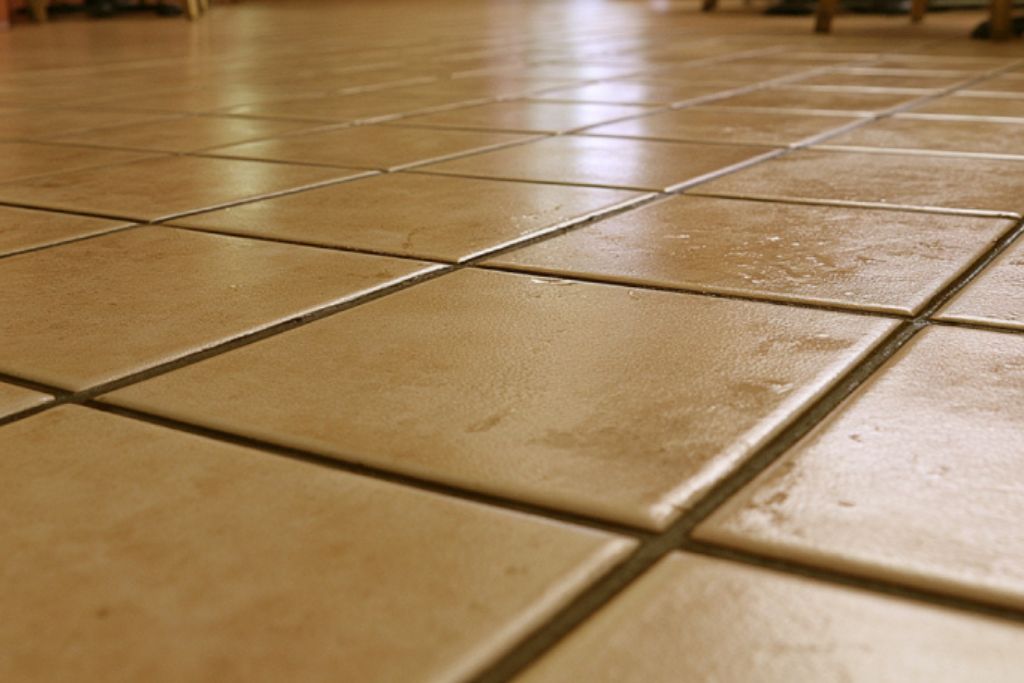
Can commercial carpet cleaning be scheduled around business hours?

Scheduling options depend on the cleaning provider and the needs of the property. Businesses should discuss operating hours, access requirements, drying considerations, and high-priority areas when arranging service.

How can businesses keep commercial carpet cleaner between professional services?

Regular vacuuming, clean entrance mats, prompt spill response, appropriate spot treatment, and additional attention to high-traffic areas can help control soil between professional carpet cleaning appointments.

New Puppy At Home A Carpet Care Guide For Pet Owners

New Puppy at Home? A Carpet Care Guide for Pet Owners

Bringing home a new puppy is exciting, but it also brings a fresh wave of messes into the house. Between house-training accidents, muddy paws, shedding, spilled water bowls, and the occasional chewed-up treat, your carpet may experience more activity during the first few months of puppy ownership than it has in years.

Fortunately, having a puppy does not mean accepting permanently stained or smelly carpet. A few preventative habits and a quick response when accidents happen can make carpet care much easier. The goal is to keep everyday dirt under control while preventing urine, moisture, and other messes from becoming deeply embedded in the carpet.

Whether you recently brought home your first puppy or are adding another dog to the family, this guide covers practical ways to protect your carpet while your new pet adjusts to life at home.

Prepare Your Carpet Before Bringing Your Puppy Home

Carpet care becomes much easier when you prepare before your puppy arrives. Start by thinking about where your puppy will spend most of its time. During house training, limiting access to certain rooms can reduce the number of carpeted areas you need to monitor. Baby gates, closed doors, and designated puppy areas can help keep early accidents contained.

Consider placing washable mats around food and water bowls, near exterior doors, and in other places where messes are likely. Puppies are not known for drinking neatly, and water splashed around a bowl can repeatedly dampen nearby flooring. A washable mat creates an easier surface to clean while helping protect the carpet underneath.

This is also a good time to establish a cleanup station. Keep clean absorbent towels and appropriate carpet-cleaning supplies somewhere easy to reach. When an accident happens, being able to respond immediately is much better than spending several minutes searching for cleaning products while urine or another liquid continues soaking into the carpet.

House-Training Accidents Need Quick Attention

Accidents are a normal part of bringing home a puppy. Even puppies that are learning quickly may occasionally urinate on the carpet, particularly when they become excited, distracted, or are left too long between trips outside.

When an accident happens, address it as soon as possible. Use clean, absorbent towels to blot the affected area and remove as much liquid as you can. Apply pressure rather than aggressively rubbing the carpet. Scrubbing can spread contamination across a larger area and may affect the appearance of the carpet fibers.

One of the biggest mistakes pet owners can make is focusing only on what they can see. Carpet has multiple layers, and enough urine can move through the visible fibers into the backing and padding underneath. A spot may look clean at the surface while urine remains deeper in the flooring.

This is one reason repeated or larger pet accidents can become difficult to handle with ordinary household spot cleaning. If contamination has reached the padding, treating only the carpet surface may not completely address the source of the stain or odor.

Why Puppy Urine Odors Can Keep Coming Back

A pet urine stain that disappears does not always mean the entire problem is gone. Urine can penetrate farther into carpet than many homeowners realize, especially if an accident sits unnoticed for a while. Surface cleaning may improve the appearance while leaving contamination underneath.

This can lead to an especially frustrating situation where the room smells clean immediately after treatment but the pet odor eventually returns. Changes in moisture and indoor conditions can sometimes make old contamination more noticeable again.

Using more fragrance is not necessarily the answer. Air fresheners, scented powders, and deodorizing sprays may temporarily cover an unpleasant smell, but masking an odor is different from removing its source. If urine remains within the carpet or padding, fragrance alone will not solve the underlying problem.

Recurring odor may be a sign that the affected area needs professional pet stain and odor treatment. A carpet cleaning professional can evaluate the contamination and determine what level of treatment is appropriate based on how deeply the accident affected the flooring.

Repeated Accidents in the Same Spot Can Become a Bigger Problem

Some puppies return to the same area repeatedly. From a carpet-care perspective, this can create a much more significant problem than one isolated accident. Every additional incident introduces more urine into an area that may already have contamination below the surface.

Repeated spot cleaning can also introduce additional moisture and cleaning products into the carpet. If too much detergent is used, residue may remain behind and begin attracting dirt. If too much liquid is applied, the affected area can become unnecessarily saturated.

If your puppy continues having accidents in the same place, address both the pet behavior and the carpet. Proper house training can help prevent future incidents, while appropriate cleaning can address contamination that may already be present.

Once an area has experienced numerous accidents, professional treatment may be more effective than repeatedly applying household cleaners to the surface.

Be Careful With DIY Pet Stain Treatments

When a puppy has an accident, it can be tempting to reach for whatever cleaning product happens to be nearby. However, not every household cleaner is suitable for carpet, and different carpet fibers and dyes can respond differently to cleaning solutions.

Before applying any product, check your carpet manufacturer’s care recommendations and follow the cleaning product directions carefully. When appropriate, test the solution in an inconspicuous location before applying it to a visible area.

Avoid combining multiple cleaning chemicals in an attempt to create a stronger treatment. Mixing products can produce unpredictable results and may leave significant residue behind. If one appropriate treatment does not solve the problem, continually adding more products is unlikely to be the best approach.

You should also avoid soaking the carpet with excessive amounts of cleaner. More solution does not automatically mean better stain removal. Excess moisture can carry contamination deeper into the flooring and increase drying time.

Prevent Muddy Paws From Taking Over Your Carpet

Urine is not the only carpet challenge that comes with a new puppy. Dogs can bring an impressive amount of outdoor dirt into a home, particularly after rain or time spent playing in the yard. A puppy can run from the back door through several carpeted rooms before you have time to notice the muddy paw prints following behind.

Create a routine for cleaning paws before your puppy enters carpeted areas. Keeping a towel near the door makes it easy to wipe away mud and moisture before your dog runs farther into the house. During especially wet weather, an absorbent mat near the entrance can provide additional protection.

Entry mats need maintenance too. Shake them out, vacuum them, or wash them according to their care instructions. Once a mat becomes heavily loaded with dirt, it becomes less effective at preventing that soil from traveling farther into the home.

Developing a paw-cleaning routine while your dog is young can also make the process easier as the puppy grows. What starts as carpet protection can become a normal part of coming inside after walks or outdoor play.

Stay Ahead of Pet Hair and Everyday Dirt

Depending on the breed, a puppy may introduce a significant amount of hair into your home. Even dogs that shed relatively little can contribute dander, outdoor dirt, and other particles that eventually settle into carpet.

Regular vacuuming is one of the most effective ways to control this everyday buildup. Concentrate on the rooms where your puppy spends the most time, including favorite sleeping spots and common pathways through the home. These areas may require more frequent attention than rooms the dog rarely enters.

Vacuum slowly enough to give the equipment an opportunity to collect debris from between the carpet fibers. Keep the vacuum itself maintained by emptying the collection bin, cleaning or replacing filters as recommended, and removing hair wrapped around the brush roll.

Regular grooming can also help reduce the amount of loose hair that reaches the floor. Carpet maintenance is easier when some of the shedding is addressed before the hair ever reaches your carpet.

Protect Carpet Around Food and Water Bowls

Puppies can turn an ordinary drink of water into a surprisingly large mess. Water can drip from their mouths, bowls can be pushed across the floor, and excited puppies may step directly into their food or water before running away.

If your puppy’s feeding area is near carpet, consider placing the bowls on a large washable mat or another appropriate protective surface. The covering should extend far enough around the bowls to catch splashes and dropped food.

Clean the area regularly rather than allowing food particles and moisture to accumulate. Repeated moisture exposure is something you want to avoid around carpet, particularly if water can reach underneath a mat and remain there unnoticed.

Periodically lift the protective covering and check underneath it. A mat can protect carpet from everyday spills, but trapped moisture should not be allowed to sit against the flooring.

Watch What Your Puppy Carries Onto the Carpet

Puppies explore the world with their mouths, which means all kinds of unexpected objects can end up on your carpet. Treats, wet toys, sticks, leaves, grass, dirt, and pieces of chewed items can quickly become carpet messes.

Some treats and toys can also leave behind oils, dyes, or residue. Keeping particularly messy items in areas with easy-to-clean flooring can reduce the chance of difficult stains.

Check puppy play areas regularly and vacuum crumbs or debris before they are repeatedly walked into the carpet. Small pieces that are easy to remove today can become much more difficult to notice once they have been ground deeper between the fibers.

Create Puppy-Friendly Areas That Are Easier to Maintain

You do not necessarily need to keep your puppy away from every carpeted room. Instead, think strategically about where the puppy spends unsupervised time, eats, plays, and sleeps.

Washable rugs and protective coverings can be useful in high-risk areas, provided they are appropriate for the flooring underneath. Puppy pens and gates can also help prevent a young dog from wandering into several rooms during the early stages of house training.

As your puppy becomes more reliable, access to the rest of the home can gradually increase. During the first few months, however, controlling the environment can make both house training and carpet maintenance considerably easier.

What to Do When You Discover an Old Pet Accident

Not every accident is caught immediately. You may discover a stain behind furniture, notice an unfamiliar odor, or realize your puppy has been using a rarely visited corner of the house.

Older pet stains can be more difficult to address because the contamination has had more time to penetrate and dry within the carpet. Avoid immediately flooding the area with large amounts of household cleaner. Excessive moisture may spread the affected area without completely removing the source.

If the stain is significant, has an odor, or appears to have occurred repeatedly, professional treatment may be the better option. A carpet cleaning professional can assess the affected area and determine whether specialized pet stain and odor treatment is needed.

When Regular Carpet Cleaning Is Not Enough

General professional carpet cleaning and specialized pet treatment do not always address exactly the same problems. Routine cleaning is designed to remove accumulated soil and refresh carpet, while pet contamination may require additional attention to specific affected areas.

If your puppy has had several accidents, tell your carpet cleaner where they occurred rather than assuming ordinary cleaning will automatically address them. Knowing the location and nature of the problem allows the cleaner to evaluate those areas specifically.

This is particularly important when odors continue returning. A carpet can appear visibly clean while contamination remains underneath the surface. Treating the actual source is more effective than simply trying to make the room smell better temporarily.

When Should Pet Owners Schedule Professional Carpet Cleaning?

There is no single schedule that works for every pet-friendly home. A household with one small dog that rarely sheds may have very different cleaning needs than a home with multiple large dogs, frequent outdoor activity, and several carpeted rooms.

Pay attention to the actual condition of your carpet. If high-traffic areas are becoming dull, pet hair is increasingly difficult to remove, stains continue returning, or odors remain despite routine maintenance, it may be time for professional carpet cleaning.

Professional cleaning can also be useful after the puppy has made significant progress with house training. Once accidents have become less frequent, a deeper cleaning and targeted treatment of problem areas can help refresh carpet that experienced the most difficult stages of puppyhood.

Enjoy Your New Puppy Without Giving Up on Clean Carpet

A new puppy will almost certainly create a few carpet messes along the way. The key is preventing those temporary accidents from becoming long-term carpet problems. Quick cleanup, regular vacuuming, clean paws, protected feeding areas, and appropriate treatment of urine accidents can make a major difference.

Pay particular attention to recurring stains and odors. When urine has reached below the carpet surface, repeatedly spraying or scrubbing the visible fibers may not address the entire problem. Professional pet stain and odor treatment can help when ordinary household maintenance is no longer enough.

Miracle Steam Pros provides professional carpet cleaning and pet stain and odor removal for homeowners in Frisco and surrounding North Texas communities. If puppy accidents, muddy paws, or everyday pet activity have left your carpet needing a deeper clean, contact Miracle Steam Pros for professional carpet care.

Frequently Asked Questions

How should I clean fresh puppy urine from carpet?

Blot the area promptly with clean, absorbent towels to remove as much liquid as possible. Avoid aggressive scrubbing or oversaturating the carpet. Use only a treatment appropriate for your carpet and follow the product and carpet manufacturer’s care instructions.

Why does my carpet still smell like puppy urine after cleaning?

Urine may have penetrated through the carpet fibers into the backing or padding underneath. Surface cleaning can improve the visible carpet without completely addressing deeper contamination, which may allow the odor to return.

Can professional carpet cleaning remove pet stains and odors?

Professional cleaning can address many pet-related carpet problems, but urine contamination may require specialized pet stain and odor treatment. The appropriate method depends on the type, severity, and depth of the contamination.

How can I protect my carpet while house training a puppy?

Limit access to certain rooms when appropriate, take the puppy outside regularly, keep cleanup supplies nearby, use washable mats in high-risk areas, wipe muddy paws at the door, and respond to accidents as quickly as possible.

Should I professionally clean my carpet after house training my puppy?

Professional cleaning can be useful after the most accident-prone stage of house training, especially if the carpet has recurring stains, odors, or heavily used areas. Any known pet accident locations should be pointed out so they can be evaluated for additional treatment.

Carpet Ripples And Wrinkles What Causes Them

Carpet Ripples and Wrinkles: What Causes Them?

Carpet is supposed to lie flat and smooth across the floor, so it can be frustrating when waves, bumps, or wrinkles suddenly begin appearing. Sometimes the problem develops gradually over several years. In other cases, homeowners notice a ripple seemingly out of nowhere, even though the carpet previously looked perfectly normal.

Carpet ripples can develop for several reasons. Installation problems, changes in humidity, heavy furniture, water exposure, aging materials, and issues with the carpet padding or tack strips can all contribute to loose carpet. Once the carpet loses the proper amount of tension, excess material can begin forming visible waves across the floor.

Although wrinkled carpet may initially seem like a cosmetic problem, it is worth addressing. Repeatedly walking across raised carpet can create additional wear, and larger ripples can make the flooring uneven underfoot. Depending on the condition of the carpet and what caused it to become loose, professional carpet stretching may be able to restore a smoother surface without requiring complete carpet replacement.

Why Does Carpet Develop Ripples and Wrinkles?

Wall-to-wall carpet is installed under tension so that it remains stretched securely across the room. When that tension is lost, the carpet has more material than it needs to cover the space while lying completely flat. The excess material has to go somewhere, which is when homeowners begin noticing waves, wrinkles, or raised sections.

One of the most common factors behind carpet rippling is the original installation. Carpet needs to be properly stretched and secured when it is installed. If sufficient tension was not established from the beginning, the carpet may look normal at first but gradually loosen as people walk across it, furniture is moved, and the flooring experiences everyday household use.

This is why carpet wrinkles do not necessarily appear immediately after a poor installation. Months or even years can pass before the looseness becomes obvious. A relatively new carpet that begins developing widespread ripples without another obvious cause may have had insufficient tension from the beginning.

The way carpet is secured around the room can also contribute to the problem. Wall-to-wall carpet is commonly attached around the perimeter using tack strips. If those attachment points become damaged or are unable to hold the carpet properly, sections can begin pulling away and losing tension. The result may be loose carpet near a wall or a ripple that extends farther into the room.

How Humidity and Environmental Conditions Affect Carpet

Changes inside the home can also affect how carpet behaves. Carpet and the materials used in its construction can respond to environmental conditions, including changes in humidity. During particularly humid periods, some homeowners notice that previously minor waves become more visible.

This does not necessarily mean humidity is the only reason the carpet is loose. In many cases, environmental changes simply make an existing tension problem easier to see. Carpet that was already slightly loose may react more noticeably than flooring that was properly stretched and secured.

Some temporary changes may improve as indoor conditions return to normal. However, carpet that remains visibly wrinkled or continues developing larger waves should be evaluated. Persistent rippling usually indicates that the carpet is no longer maintaining the tension necessary to remain flat.

Maintaining reasonably consistent indoor conditions can be beneficial for many materials throughout a home, including flooring. If carpet repeatedly changes appearance during periods of high humidity, it may be worth determining whether the installation itself needs attention.

Heavy Furniture and Everyday Use Can Contribute to Loose Carpet

Furniture can place significant pressure on carpet, especially when heavy pieces are dragged rather than properly lifted or moved. A sofa, dresser, entertainment center, bed, or other heavy object can pull against the carpet as it moves across the floor. If the carpet already has a tension problem, this force may make the looseness more noticeable.

Rolling heavy objects across carpet can create similar stress. Repeated movement of heavy furniture or equipment over the same section of flooring may contribute to carpet movement over time. The likelihood of a problem depends on the weight involved, carpet construction, installation quality, and existing condition of the flooring.

Normal foot traffic also affects carpet over the years. Hallways, doorways, living room pathways, and other frequently traveled sections receive significantly more use than carpet underneath furniture or in corners. If the carpet begins loosening, these heavily traveled areas may be where homeowners notice the first visible wrinkles.

Dragging furniture should be avoided whenever possible. Appropriate furniture-moving techniques can help protect both the carpet surface and the way the flooring is secured. If wrinkles appear shortly after furniture has been moved, that information can also be helpful when the carpet is professionally evaluated.

Can Carpet Padding Cause Ripples?

The carpet itself is only one part of a wall-to-wall flooring installation. Padding sits underneath the visible carpet and affects how the floor feels and performs. The type, thickness, condition, and compatibility of that padding can influence the overall installation.

Padding that is inappropriate for the carpet may contribute to performance problems, while older padding can deteriorate after years of use. Because the padding is hidden underneath the carpet, homeowners may not realize there is an issue simply by looking at the surface.

Not every carpet wrinkle is caused by the padding, but the materials underneath should be considered when there are extensive or recurring problems. A professional evaluation can help determine whether the carpet simply needs to be stretched or whether another part of the installation also requires attention.

Water and Excess Moisture Can Cause Carpet to Buckle

Water exposure is another potential cause of carpet buckling. A plumbing leak, overflowing appliance, flooding event, or other source of significant moisture can affect both the carpet and the materials underneath it. When carpet and padding become heavily saturated, the flooring may change shape or lose the tension that previously kept it flat.

This situation is different from ordinary carpet rippling caused by age or installation. If a large amount of water has affected the flooring, correcting the visible wrinkle should not be the first priority. The source of the water needs to be addressed, and the affected carpet, padding, subfloor, and surrounding materials may need to be evaluated and properly dried.

Attempting to stretch wet carpet without addressing the underlying moisture problem can hide the visible symptom while leaving a much more important issue unresolved. Once the area has been appropriately evaluated and dried, it can be determined whether the carpet can be restored, stretched, repaired, or needs replacement.

Homeowners should also be careful when using rental or household carpet cleaning machines. Oversaturating carpet with water or cleaning solution does not necessarily result in a better clean. Excessive moisture can increase drying time and may create additional flooring concerns, especially when the carpet already has installation or tension problems.

Can Carpet Cleaning Cause Carpet to Ripple?

Homeowners sometimes notice wrinkles shortly after having their carpet cleaned and assume the cleaning caused permanent damage. Moisture can temporarily affect the appearance of certain carpet installations, and an existing tension problem may become more noticeable while the carpet is damp.

In some cases, minor changes improve once the carpet has dried completely. Carpet that returns to its normal appearance after appropriate drying may not require any additional work.

However, wrinkles that remain after the carpet is fully dry can indicate that the carpet was already loose or that another installation issue is present. Professional cleaning may make an existing problem more visible without necessarily being the original cause of it.

If significant ripples remain after drying, a carpet repair professional can evaluate the installation and determine whether stretching is appropriate.

Why You Shouldn’t Ignore Loose or Wrinkled Carpet

A small carpet ripple may be easy to ignore, especially if it is located in a room that does not receive much traffic. Unfortunately, loose carpet does not always remain in the same condition. Continued walking, vacuuming, furniture movement, and everyday activity can place additional stress on the raised area.

When carpet lies flat, pressure from foot traffic is distributed across the flooring as intended. A wrinkle creates a raised point that bends and flexes whenever someone walks over it. Over time, the top of that ripple may begin showing additional wear compared with the surrounding carpet.

Large wrinkles can also create an uneven walking surface. A raised section may catch a foot, shoe, vacuum cleaner, or another object moving across the floor. This is particularly important in frequently traveled areas such as hallways, living rooms, and doorways.

Addressing carpet ripples before they become severe may help protect carpet that is otherwise still in good condition. A relatively straightforward stretching problem can become more complicated if the loose sections are allowed to experience years of unnecessary wear.

What Is Professional Carpet Stretching?

Professional carpet stretching is a repair process designed to restore appropriate tension to loose wall-to-wall carpet. Rather than simply smoothing a wrinkle by hand, the carpet is properly retensioned across the room and secured so that it lies flatter against the floor.

The exact process depends on the room and the condition of the installation. Carpet may need to be released from sections of the perimeter so specialized stretching equipment can apply controlled tension. Once the excess looseness has been removed, the carpet can be properly secured again. Any excess material created during the stretching process may also need to be trimmed.

Specialized equipment matters because correcting a ripple requires more than pulling on one edge of the carpet. The goal is to restore appropriate tension across the affected area rather than simply moving the wrinkle somewhere else. Room size, seams, doorways, transitions, furniture, tack strips, and the condition of the carpet all need to be considered.

This is also why cutting away a wrinkle or attempting to manually pull the carpet tighter is generally not a good DIY solution. Removing material without properly stretching the carpet can make professional repair more difficult later.

Can Wrinkled Carpet Be Repaired Without Replacement?

Visible ripples do not automatically mean that the entire carpet needs to be replaced. If the carpet is otherwise in good condition, professional stretching may be able to correct the looseness and restore a much smoother appearance.

Whether stretching is worthwhile depends on the overall condition of the flooring. Carpet that has extensive permanent staining, severe wear, damaged backing, widespread deterioration, or other significant problems may not be a good candidate for repair. In those situations, replacement may make more sense than investing in stretching.

Age alone does not necessarily determine the answer. An older carpet that remains structurally sound may still benefit from stretching, while newer carpet with serious damage could require a different solution. The cause of the rippling and the condition of the carpet should both be evaluated.

Carpet that has previously been stretched may sometimes be stretched again, but recurring wrinkles can indicate that another problem is contributing to the looseness. Rather than repeatedly correcting the visible ripple, it is important to understand why the carpet continues losing tension.

How to Help Prevent Carpet Ripples

Not every carpet wrinkle can be prevented, particularly as flooring ages, but several household practices can reduce unnecessary stress on the installation. Proper professional installation is one of the most important factors because carpet that begins with adequate tension is better prepared for everyday use.

Avoid dragging heavy furniture directly across carpet whenever possible. Address plumbing leaks and other sources of water promptly, and use caution with DIY carpet cleaning equipment so the flooring is not unnecessarily saturated. If you notice a small area beginning to loosen, having it evaluated before it develops into a large wrinkle may also help prevent additional wear.

Pay attention to changes in the carpet rather than waiting until waves stretch across an entire room. Loose areas near walls, doorways, or frequently traveled pathways can be early signs that the carpet is losing tension.

When Should You Have Carpet Ripples Professionally Evaluated?

Professional evaluation is a good idea when wrinkles remain for an extended period, continue getting larger, or begin affecting the way the carpet feels underfoot. Loose carpet near walls, raised areas around doorways, waves across heavily traveled sections, or carpet that noticeably shifts when walked on can all indicate that stretching or another repair may be necessary.

You should also seek professional guidance when the cause is unclear. Carpet that suddenly buckles after a water leak, for example, should be approached differently from carpet that has gradually loosened over several years. Identifying the cause helps determine whether stretching alone is appropriate.

When the carpet itself is still in good condition, addressing the looseness can be a practical alternative to replacing an entire room of flooring.

Professional Carpet Stretching for Ripples and Wrinkles

Carpet ripples can develop because of installation issues, changing environmental conditions, furniture movement, water exposure, aging materials, or problems elsewhere in the flooring system. Whatever the cause, persistent wrinkles are worth addressing before repeated foot traffic creates additional wear.

Professional carpet stretching can restore appropriate tension to many carpets that have become loose while allowing homeowners to continue using flooring that is otherwise in good condition. The key is determining why the carpet developed ripples and whether stretching is the right repair for its current condition.

Miracle Steam Pros provides professional carpet stretching and carpet repair services in Frisco and surrounding North Texas communities. If your carpet has developed waves, wrinkles, or loose areas, contact Miracle Steam Pros to have the flooring evaluated and determine the appropriate repair.

Frequently Asked Questions

What is the most common cause of carpet ripples?

Carpet ripples commonly develop when the flooring loses the tension needed to remain flat. Installation issues can contribute, but humidity, furniture movement, age, water exposure, and problems with the way the carpet is secured can also cause or worsen wrinkles.

Will carpet wrinkles eventually go away on their own?

Temporary changes associated with moisture or environmental conditions may sometimes improve after the carpet dries or conditions change. Persistent wrinkles caused by loose carpet generally will not permanently correct themselves and may require professional stretching.

Can you stretch carpet without replacing it?

Yes. If the carpet is otherwise in good condition, professional carpet stretching can often correct ripples and loose sections without replacing the entire floor. A professional should evaluate the carpet first to determine whether it is a suitable candidate.

Does furniture need to be removed before carpet stretching?

Furniture requirements depend on the room, the location of the wrinkles, and the repair being performed. Some items may need to be moved to provide access to the carpet and perimeter. Ask your carpet repair provider what should be moved before the appointment.

Should carpet be stretched before or after professional cleaning?

The appropriate order can depend on the condition of the carpet and the reason it is loose. If both cleaning and stretching are needed, a professional can evaluate the flooring and recommend the best order for the specific situation.

Carpet Care For Busy Families A Practical Maintenance Guide

Carpet Care for Busy Families: A Practical Maintenance Guide

In a busy household, carpet has to stand up to a lot of foot traffic. Kids run from room to room, pets track in dirt, snacks make their way into the living room, and the same hallways and walkways get used dozens of times every day. Even recently cleaned carpet can quickly start showing signs of everyday family life.

Keeping carpet in good condition does not mean constantly worrying about every crumb or footprint. A practical maintenance routine can help control everyday dirt, respond to spills before they become bigger problems, and give heavily used areas the extra attention they need.

From regular vacuuming to pet care and stain prevention, small habits can make carpet maintenance much easier for families with busy schedules.

Why Busy Households Are Hard on Carpet

The more activity a home receives, the more material can eventually find its way into the carpet.

Common sources of carpet soil in family homes include:

  • Dirt tracked inside on shoes
  • Mud from children and pets
  • Food crumbs
  • Drink spills
  • Pet hair
  • Pet accidents
  • Dust
  • Outdoor debris
  • Craft and play materials

Much of this debris can settle below the visible surface of the carpet. That is why carpet may contain significant soil before it begins to look noticeably dirty.

Create a Carpet Maintenance Routine You Can Actually Follow

The best carpet care routine is one your household can realistically maintain.

Trying to deep clean every room constantly is unnecessary. Instead, focus your efforts on preventing dirt from entering the home, regularly removing loose soil, and responding quickly when spills or accidents occur.

Different rooms may also need different levels of attention. A formal room that is rarely used does not need the same maintenance schedule as the family room where children and pets spend every evening.

Focus on High-Traffic Areas First

Busy families tend to create predictable traffic patterns throughout the home.

Common high-traffic areas include:

  • Hallways
  • Stairs
  • Entryways
  • Paths between the kitchen and living room
  • Areas around sofas
  • Bedroom entrances
  • Playrooms

These areas usually collect soil faster because the same carpet fibers are repeatedly exposed to footwear, socks, bare feet, and pet paws.

Giving these sections additional attention can help prevent them from becoming noticeably darker than the rest of the carpet.

Vacuum Based on Traffic, Not Just a Schedule

There is no single vacuuming schedule that works for every family.

A home with several children, multiple pets, and constant activity will usually require more frequent vacuuming than a home with one or two occupants.

Instead of treating every room equally, vacuum the busiest areas more frequently and lower-traffic rooms as needed.

If crumbs, pet hair, or visible debris begin accumulating before your normal vacuuming day, the schedule may need to be adjusted.

Slow Down When You Vacuum

When you are trying to clean the house quickly, it can be tempting to push the vacuum across the carpet as fast as possible.

Slower passes give the vacuum more opportunity to collect loose soil from between carpet fibers.

Heavily traveled sections may also benefit from passes in more than one direction.

Make sure the vacuum itself is properly maintained. Full collection bins, clogged filters, tangled brush rolls, and worn components can reduce cleaning performance.

Don’t Forget Carpeted Stairs

Stairs are one of the easiest carpeted areas to neglect and one of the most heavily used.

Family members repeatedly step on the same small sections, often concentrating dirt near the center and front edge of each step.

Use an appropriate vacuum attachment or equipment designed for stairs to remove loose soil regularly.

If the stair carpet begins looking noticeably darker than surrounding flooring, it may need deeper professional cleaning.

Stop Dirt at the Door

Preventing soil from reaching your carpet is easier than removing it afterward.

Place durable mats at frequently used entrances so family members have somewhere to wipe their shoes before walking farther into the house.

Do not forget to clean the mats themselves. Once an entrance mat becomes heavily loaded with dirt, it becomes less effective at capturing additional debris.

Create a Shoes-Off Routine

Outdoor footwear can carry dirt, sand, mud, moisture, and other debris into carpeted rooms.

Creating a designated place for shoes near frequently used entrances can help reduce the amount of outdoor soil reaching your carpet.

If a completely shoes-off household is not practical, encourage family members to at least remove visibly dirty or muddy shoes before walking across carpet.

Make Carpet Care Easier for Kids

Children are going to spill things. Building your carpet maintenance strategy around preventing every accident is unlikely to work.

Instead, make it easier to contain the messes that are most likely to happen.

For example, consider keeping especially messy snacks, paints, markers, slime, glue, and other difficult-to-clean materials in areas with hard flooring or on an appropriate protective surface.

Small changes to where certain activities happen can prevent some of the most challenging carpet stains.

Use Washable Mats in Mess-Prone Areas

Some parts of a family home naturally experience more spills and debris.

Washable mats or other appropriate floor coverings can be useful around:

  • Craft areas
  • Children’s activity tables
  • Pet food bowls
  • Frequently used entrances
  • Indoor plant areas

These coverings can absorb some of the everyday abuse that would otherwise reach wall-to-wall carpet.

Respond to Spills Quickly

When something spills, prompt action can make cleanup easier.

Remove any solid material carefully and use a clean, absorbent towel to blot liquids.

Do not aggressively rub the area. Scrubbing can spread the spill and potentially affect the appearance of the carpet fibers.

Continue blotting with clean sections of the towel as moisture transfers out of the carpet.

Teach Everyone to Blot, Not Scrub

One useful carpet rule for the entire household is simple: blot spills instead of scrubbing them.

When a brightly colored drink lands on the carpet, the natural reaction may be to grab a towel and rub as hard as possible.

That can spread the spill across a larger area.

Blotting applies pressure to absorb the liquid without unnecessarily working it farther across the carpet.

Keep a Simple Spill Kit Nearby

Busy families may benefit from keeping basic cleanup supplies somewhere easy to reach.

This might include clean white towels or other absorbent materials and a carpet cleaning product that is appropriate for the household’s specific carpet.

Having supplies readily available means you can respond to a spill immediately instead of searching through cabinets while the liquid continues soaking into the carpet.

Be Careful With DIY Carpet Cleaners

Not every household cleaning product belongs on carpet.

Using an inappropriate product may cause discoloration, leave residue behind, or otherwise affect certain carpet fibers.

Always follow your carpet manufacturer’s care recommendations and the directions on any cleaning product you use.

When appropriate, test a product in an inconspicuous area before treating a visible spot.

Don’t Mix Cleaning Products

If one stain remover does not work immediately, avoid applying several other chemicals on top of it.

Cleaning products can contain different ingredients that should not necessarily be combined.

Repeatedly applying different products can also leave substantial residue in the carpet.

If a spot is not responding to an appropriate treatment, professional stain removal may be a better next step.

Avoid Using Too Much Cleaning Solution

More carpet cleaner does not necessarily produce cleaner carpet.

Excessive amounts of detergent can be difficult to remove completely. If residue remains in the carpet fibers, the treated area may begin attracting new soil.

This can cause a recently cleaned spot to become dirty again surprisingly quickly.

Use cleaning products according to their directions rather than soaking the area.

Don’t Oversaturate Carpet

Pouring large amounts of water or cleaning solution onto a stain can push moisture below the carpet surface.

Enough liquid may reach the backing and padding underneath.

Excessive moisture also increases drying time.

Spot cleaning should use an appropriate amount of moisture for the carpet and the problem being treated.

Make Pet Carpet Care Part of Your Routine

Pets add another layer to carpet maintenance, particularly in active households.

Dogs and cats can contribute hair, dander, outdoor dirt, muddy paw prints, food, and occasional accidents.

Regular vacuuming is especially important in the rooms where pets spend the most time.

Grooming pets regularly can also help reduce the amount of loose hair that eventually reaches floors and furniture.

Keep a Towel Near the Door for Pet Paws

A dog running inside after rain can leave muddy tracks across several rooms in seconds.

Keeping a towel near the door makes it easier to wipe wet or dirty paws before your pet reaches the carpet.

This is a particularly useful habit during rainy weather or after pets have been playing in the yard.

Address Pet Accidents Promptly

Pet urine can move beyond the visible carpet fibers and reach the materials underneath.

Blot fresh accidents promptly to remove as much liquid as practical. Avoid aggressive scrubbing or flooding the area with cleaning products.

If accidents repeatedly occur in the same place or an odor continues returning, contamination may exist deeper than the visible surface.

Professional pet stain and odor treatment may be needed to address the affected area more thoroughly.

Don’t Cover Pet Odors With Fragrance

Deodorizing sprays and scented carpet products can temporarily change how a room smells, but they do not necessarily remove the source of an odor.

If pet urine or another odor-producing material remains in the carpet or padding, the smell can return after the fragrance fades.

Recurring odors should be addressed at their source.

Pay Attention to the Carpet Under Furniture

Busy households tend to focus cleaning on visible walking areas, but debris can also collect around and underneath furniture.

Crumbs, pet hair, toys, and dust can accumulate under sofas, chairs, and tables.

When practical and safe, move lightweight furniture occasionally so these areas can be vacuumed.

Use vacuum attachments to reach underneath larger pieces that should not be moved.

Watch for Carpet Wear Around the Sofa

Family rooms often develop noticeable traffic patterns around seating areas.

The carpet directly in front of a sofa or favorite chair may receive constant foot traffic while carpet underneath the furniture receives almost none.

Over time, this can create visible differences in appearance.

Regular vacuuming and periodic professional cleaning can help remove accumulated soil from these heavily used areas, although cleaning cannot reverse permanent physical wear.

Rotate Furniture When Practical

Changing furniture placement occasionally can alter the paths people take through a room.

This may help distribute traffic instead of forcing everyone to walk across exactly the same strip of carpet for years.

Furniture rearrangement is not practical in every room, but even small changes may redirect some everyday foot traffic.

Use Area Rugs Strategically

Area rugs and runners can help protect carpet in especially busy sections of the home.

For example, a runner can absorb some of the wear and soil in a heavily traveled hallway.

Remember that the rug itself also requires maintenance. Vacuum it appropriately and periodically inspect the carpet underneath.

Keep Food in Designated Areas When Possible

Allowing food throughout every carpeted room increases the opportunities for crumbs, grease, sauces, and drinks to end up on the floor.

Families do not necessarily need strict rules against eating anywhere outside the kitchen, but limiting especially messy foods to easier-to-clean areas can reduce carpet stains.

Using trays or stable surfaces for drinks in family rooms can also help prevent accidental spills.

Be Prepared for High-Risk Stains

Some of the most common family carpet spills include:

  • Juice
  • Soda
  • Coffee
  • Chocolate
  • Sauces
  • Greasy foods
  • Mud
  • Craft materials
  • Pet accidents

Different substances may require different treatment methods. Knowing what caused a stain can be useful if professional cleaning is eventually needed.

Why Carpet Stains Sometimes Come Back

A stain that disappears and later returns can be frustrating.

In some cases, a spill may have penetrated deeper into the carpet. As moisture dries, material can migrate back toward the visible fibers.

Cleaning residue can also attract new soil to a previously treated area, making it appear as though the original stain returned.

Repeatedly applying more cleaner is not always the answer. Recurring spots may need professional treatment.

Vacuum Before Hosting Family and Friends

Parties, holidays, birthdays, and family gatherings can dramatically increase the amount of foot traffic a home receives.

Vacuuming before guests arrive removes existing loose soil before additional traffic pushes it deeper into the carpet.

After the event, vacuum again and check for spills or spots that may have gone unnoticed.

Check Carpet After Children’s Parties

After a busy birthday party or sleepover, take a few minutes to inspect carpeted areas.

Small drink spills or food stains may not be obvious until furniture is moved or the room is cleaned later.

Finding them early gives you an opportunity to address them before they remain in the carpet for an extended period.

Seasonal Changes Can Affect Carpet Maintenance

Carpet cleaning needs can change throughout the year.

Rain can mean muddy shoes and paws. Dry periods can bring additional outdoor dust. Holidays may increase visitors, food, and activity inside the home.

Instead of maintaining exactly the same cleaning routine throughout the year, adjust it when household conditions change.

Don’t Wait Until Carpet Looks Extremely Dirty

Carpet does not have to look severely soiled before it can benefit from professional cleaning.

Fine soil can settle between fibers gradually, making the change in appearance difficult to notice because you see the carpet every day.

High-traffic areas may eventually become dull or dark compared with less-used sections.

Professional cleaning can remove accumulated soil that ordinary vacuuming may leave behind.

How Often Do Busy Families Need Professional Carpet Cleaning?

There is no single cleaning schedule that applies to every household.

The appropriate frequency depends on factors such as:

  • Number of people in the home
  • Children
  • Pets
  • Foot traffic
  • Indoor shoe use
  • Frequency of spills
  • Carpet type
  • Manufacturer recommendations

Rather than waiting for carpet to become heavily soiled, monitor high-traffic areas and schedule professional cleaning based on your household’s actual needs.

Signs Your Carpet Is Ready for a Professional Cleaning

Routine maintenance can accomplish a lot, but eventually carpet may need a deeper cleaning.

Consider professional service when you notice:

  • Darkened high-traffic areas
  • Carpet that still looks dull after vacuuming
  • Multiple stubborn spots
  • Recurring stains
  • Persistent pet odors
  • Heavy soil around entrances
  • Sticky areas from previous DIY cleaning
  • A significant amount of time since the last professional cleaning

Professional cleaning can address embedded soil and problem areas that routine household maintenance cannot fully remove.

A Simple Weekly Carpet Routine for Busy Families

Carpet maintenance does not have to consume your weekend.

Focus first on the areas receiving the most activity. Vacuum busy rooms and pathways, clean entrance mats, check for new stains, and look around pet areas for anything requiring attention.

Less frequently used rooms can be maintained based on their actual condition.

A few consistent habits are generally easier to maintain than waiting until the entire house needs an intensive carpet cleanup.

Make Carpet Care a Household Habit

One person does not have to be responsible for preventing every carpet mess.

Simple household habits can make maintenance easier:

  • Put dirty shoes near the entrance
  • Wipe muddy pet paws
  • Report spills when they happen
  • Keep messy crafts in protected areas
  • Pick up food instead of leaving crumbs on the floor
  • Blot spills instead of scrubbing them

When everyone follows a few basic rules, carpet maintenance becomes much more manageable.

Keep Family Carpet Ready for Everyday Life

A busy home is supposed to be lived in. Carpet maintenance should help you enjoy your home without making you feel like every spill, muddy paw, or crumb is a disaster.

Focus on the habits that make the biggest difference: remove loose soil regularly, protect entrances, respond quickly to spills, give high-traffic areas extra attention, and address pet accidents before they become larger problems.

Home maintenance and professional cleaning work best together. Routine care helps control everyday soil, while periodic professional carpet cleaning provides a deeper clean when vacuuming and spot treatment are no longer enough.

Miracle Steam Pros provides professional carpet cleaning for families in Frisco and surrounding North Texas communities. When busy family life starts showing on your floors, contact Miracle Steam Pros for professional carpet cleaning and stain treatment.

Frequently Asked Questions

How often should a busy family vacuum carpet?

Vacuuming frequency should be based on traffic rather than a universal schedule. High-traffic rooms, homes with children, and pet-friendly households may require more frequent vacuuming than lightly used rooms.

What’s the best way to handle a fresh carpet spill?

Remove solid material carefully and blot liquids with a clean, absorbent towel. Avoid aggressive scrubbing and excessive moisture. Use only cleaning products appropriate for your specific carpet.

How can families prevent carpet from getting dirty so quickly?

Use clean entrance mats, remove dirty shoes, wipe pet paws, vacuum high-traffic areas regularly, limit messy activities to protected areas, and address spills promptly.

Why do carpet stains sometimes return after cleaning?

Some spills penetrate deeper into carpet and can migrate toward the surface as the area dries. Cleaning product residue may also attract new dirt, causing a treated spot to darken again.

When should a family schedule professional carpet cleaning?

Consider professional cleaning when high-traffic areas remain dull or dark after vacuuming, stains repeatedly return, pet odors persist, or routine household maintenance no longer produces the desired results.

What is the Average Cost of Carpet Cleaning in Frisco, TX?

What is the Average Cost of Carpet Cleaning in Frisco, TX?

When it comes to maintaining a pristine and healthy home environment, carpet cleaning is often an essential yet overlooked task. If you’re a homeowner in Frisco, TX, understanding the average cost of carpet cleaning can help you budget effectively and ensure your carpets receive the care they need. In this blog post, we’ll delve into the various factors that influence carpet cleaning prices, from the size of your home to the type of carpet you own. Whether you’re preparing for a seasonal deep clean or simply curious about industry standards, our guide aims to provide clarity and insight.

As you continue reading, you’ll discover the different methods of carpet cleaning available, the impact of local service providers, and tips on how to choose the right professionals for your needs. Our goal is to equip you with all the necessary information so you can make informed decisions that enhance both the beauty and longevity of your carpets.

Factors Influencing Carpet Cleaning Prices in Frisco

Understanding the factors that influence carpet cleaning prices in Frisco can help you make informed choices for maintaining your home. Here are five key elements that can affect the cost:

1. Size of the Area: The most significant factor affecting carpet cleaning prices is the size of the area to be cleaned. Larger spaces require more time, effort, and cleaning solutions, which can increase overall costs. For homeowners looking to clean multiple rooms, bundling services can sometimes offer cost-effective solutions.

2. Type of Carpet: Different carpet materials, such as wool, nylon, and polyester, require specific cleaning methods. More delicate or high-maintenance materials might incur higher cleaning fees due to the specialized care needed. Understanding your carpet type can help you communicate effectively with service providers.

3. Stain Removal: Stubborn stains, such as those from wine or pets, often require additional treatment, impacting the total price. Investing in regular maintenance can reduce the likelihood of stains, potentially lowering future cleaning costs.

4. Cleaning Method: The choice between dry cleaning, steam cleaning, or other methods can affect pricing. While steam cleaning often provides a deeper clean, it might be more expensive.

5. Local Service Providers: Prices can vary significantly depending on the service providers in Frisco. Comparing quotes from multiple companies can help ensure competitive pricing. Building a relationship with a trusted local cleaner can also lead to discounts or loyalty rewards over time.

Comparing Carpet Cleaning Services in Frisco, TX

When looking to compare carpet cleaning services in Frisco, TX, it’s beneficial to consider both the quality and value offered by local providers. Understanding the factors that influence pricing, as outlined in our previous section, can guide you in making a well-informed choice. Here, we explore how different companies, including Miracle Steam Pros, stack up in terms of service offerings and customer satisfaction.

Service Variety: A comprehensive range of cleaning methods, such as steam and dry cleaning, is crucial. Miracle Steam Pros, for instance, offers a variety of techniques tailored to different carpet types, ensuring that delicate materials receive the appropriate care.

Customer Reviews: Online reviews and testimonials provide insight into a company’s reliability and professionalism. Miracle Steam Pros consistently receives positive feedback for their prompt service and attention to detail. Checking platforms like Yelp or Google can help validate service quality before making a decision.

Pricing and Packages: Competitive pricing is essential, but so is the overall value of the service. Miracle Steam Pros offers transparent pricing with no hidden fees, and bundling services can provide cost savings, especially for larger cleaning projects. Comparing quotes from multiple providers, as previously suggested, can ensure you get the best deal.

Customer Service: Effective communication and customer support enhance the service experience. Miracle Steam Pros prioritizes customer satisfaction by offering flexible scheduling and responsive service, ensuring that your carpet cleaning needs are met efficiently and professionally.

By considering these factors, you can choose a carpet cleaning service in Frisco that not only fits your budget but also meets your expectations for quality and reliability.

Affordable Carpet Cleaning Options for Frisco Residents

Finding affordable carpet cleaning options in Frisco doesn’t mean you have to compromise on quality or service. At Miracle Steam Pros, we believe that every homeowner deserves access to top-tier carpet care without breaking the bank. As highlighted in our earlier discussions, understanding the factors that influence pricing can empower you to make savvy choices that balance cost and quality.

Special Offers and Discounts: One of the most effective ways to save on carpet cleaning is by taking advantage of promotions and discounts. Miracle Steam Pros frequently offers seasonal deals and discounts for first-time customers. By subscribing to our newsletter or checking our website regularly, you can stay informed about our latest offers.

Bundled Services: If you’re planning to clean multiple areas or require additional services like upholstery cleaning, consider bundling them together. Miracle Steam Pros provides package deals that offer significant savings compared to individual service prices. This approach not only reduces costs but also ensures cohesive service quality across your home.

Flexible Scheduling: Timing can also play a role in affordability. Booking your cleaning service during off-peak times can sometimes result in lower rates. Miracle Steam Pros offers flexible scheduling options, allowing you to choose a time that fits your budget and convenience. Contacting us directly can help you find the most cost-effective time for your cleaning needs.

Regular Maintenance Plans: Investing in a regular maintenance plan can prevent the buildup of dirt and stains, ultimately reducing the need for more expensive deep cleanings. Miracle Steam Pros offers customizable maintenance plans, tailored to fit your specific carpet care requirements, ensuring your carpets remain in excellent condition year-round.

By considering these affordable options, Frisco residents can maintain their carpets’ health and appearance without exceeding their budget. To explore our current offers or to arrange a consultation, visit our website and discover how Miracle Steam Pros can meet your carpet cleaning needs efficiently and affordably.

Tips for Reducing Carpet Cleaning Costs in Frisco

Reducing carpet cleaning costs in Frisco while maintaining quality is entirely achievable with a few strategic approaches. In this section, we expand on earlier insights, offering practical tips that align with the factors previously discussed.

1. Regular Vacuuming: Regular vacuuming minimizes the accumulation of dirt and debris, reducing the frequency of professional cleaning. This simple habit can extend the life of your carpets and prevent costly deep cleanings.

2. Immediate Stain Treatment: Addressing stains promptly can prevent them from setting, making them easier and cheaper to remove. Use household solutions for minor stains, but consult professionals like Miracle Steam Pros for tougher stains to avoid damage.

3. Utilize Promotions: As highlighted earlier, taking advantage of promotions and discounts can significantly reduce costs. Keep an eye on seasonal offers from trusted providers like Miracle Steam Pros by subscribing to newsletters or periodically checking their website.

4. Opt for Bundled Services: Combine multiple cleaning needs into one service call. Bundling services like carpet, upholstery, and curtain cleaning can lead to considerable savings and ensure comprehensive care for your home.

5. Choose Off-Peak Scheduling: Booking services during off-peak times can result in lower rates as companies often offer discounts to fill their schedules. Miracle Steam Pros provides flexible scheduling options to help maximize your savings while fitting your timetable.

Final Thoughts On Carpet Cleaning In Frisco

Maintaining the cleanliness and longevity of your carpets in Frisco, TX, doesn’t have to be a daunting or costly task. By understanding the key factors that influence carpet cleaning prices,such as the size of the area, type of carpet, and chosen cleaning methods,you can make informed decisions that fit your budget. Exploring and comparing local service providers like Miracle Steam Pros ensures you get both quality and value. Their offerings of bundled services, special discounts, and flexible scheduling options further enhance affordability without compromising service quality.

For homeowners seeking to reduce carpet cleaning costs, regular maintenance practices like frequent vacuuming and immediate stain treatment can prevent more extensive and expensive cleanings down the line. Moreover, strategically utilizing promotions and opting for off-peak scheduling can yield additional savings.

Now is the perfect time to take action and ensure your carpets receive the professional care they deserve. Visit Miracle Steam Pros’ website to explore their affordable options or to schedule a consultation. Let Miracle Steam Pros help you achieve a cleaner, healthier home environment today.

Frequently Asked Questions

How much does professional carpet cleaning cost in Frisco, TX?

The cost of professional carpet cleaning in Frisco, TX varies based on several factors, including the size of the area to be cleaned, the type of carpet, and the cleaning method chosen. Typically, larger spaces incur higher costs due to increased time and resources needed. Additionally, specialized cleaning for delicate carpet materials may also raise the price. On average, homeowners can expect to pay anywhere from $25 to $75 per room, but obtaining quotes from multiple local providers can help ensure competitive pricing. For more detailed pricing information, consider visiting local service providers’ websites.

What factors influence the cost of carpet cleaning services in Frisco?

Several factors influence the cost of carpet cleaning services in Frisco. These include the size of the area to be cleaned, as larger spaces require more resources. The type of carpet also plays a role, with delicate materials often needing specialized care. Stain removal can add to costs, especially for stubborn stains. The cleaning method chosen, such as steam or dry cleaning, affects pricing, with steam cleaning generally being more expensive. Moreover, the choice of local service providers can impact cost, as prices vary across companies. Comparing quotes can help find the most cost-effective option.

Why should I hire a professional carpet cleaner in Frisco, TX?

Hiring a professional carpet cleaner in Frisco, TX ensures a deep and thorough clean that extends the life of your carpets. Professionals utilize advanced techniques and equipment, such as steam cleaning, to remove dirt, allergens, and stains effectively. This not only enhances the appearance of carpets but also contributes to a healthier home environment. Professionals like Miracle Steam Pros offer tailored services to suit different carpet types, ensuring delicate materials receive appropriate care. Additionally, professional cleaners provide convenience and expertise, saving you time and effort while delivering superior results.

How often should carpets be professionally cleaned in Frisco, TX homes?

Carpets in Frisco, TX homes should typically be professionally cleaned every 12 to 18 months. However, this frequency may vary based on factors such as household size, presence of pets, and allergy concerns. Regular professional cleaning helps maintain carpet appearance and hygiene by removing deep-seated dirt and allergens. Investing in a regular maintenance plan with a trusted provider like Miracle Steam Pros can ensure your carpets remain in optimal condition year-round, preventing costly deep cleanings and prolonging the life of your carpets.

What is the Average Cost of Carpet Repair in Allen, TX?

Carpet adds warmth, comfort, and style to any home, but over time, daily wear and tear can take its toll. From frayed seams and wrinkles to pet damage and burns, these imperfections not only affect the look of your home but can also pose safety risks. For homeowners in Allen, TX, understanding the average cost of carpet repair is essential for maintaining both comfort and value.

In this post, we’ll explore the key factors that influence carpet repair costs, the types of services available, and how to decide whether to hire a professional or attempt a DIY fix. By the end, you’ll have a clear understanding of what to expect in terms of pricing, service options, and the long-term benefits of professional carpet repair.

Factors That Influence Carpet Repair Costs in Allen, TX

The cost of carpet repair in Allen can vary depending on several important factors. Here’s what determines how much you’ll likely spend:

1. Type of Damage
Minor issues like small tears or loose seams usually cost less to repair, while larger damage from pets, burns, or water may require patching or re-stretching, which increases the price.

<>2. Carpet Material
Different carpet fibers, such as wool, nylon, or polyester, require specific techniques and tools. Natural fibers typically cost more to repair than synthetic ones due to their specialized handling needs.

3. Size of the Affected Area
As with most home services, the larger the repair area, the higher the total cost. Small spot repairs are generally affordable, while full-room re-stretching or large patching jobs can raise the price.

4. Labor and Accessibility
Repairs in hard-to-reach areas, like staircases or corners, may involve extra time and labor, slightly increasing the total cost.

5. Professional vs. DIY Repair
While DIY kits can seem cost-effective upfront, professional repairs often deliver better, longer-lasting results. A trained technician can ensure the patch or re-stretch blends seamlessly, saving you from additional costs down the road.

Comparing Carpet Repair Services in Allen, TX

When evaluating carpet repair services in Allen, it’s important to balance cost with quality. Professional technicians offer a range of repair options, from re-seaming and patching to stretching and restretching, depending on your carpet’s condition.

Local companies may offer per-room pricing or charge based on the extent of the damage. On average, small repairs can range between $100-$200, while larger or more complex issues could cost $300 or more. Always ask for an in-person inspection to get the most accurate estimate for your specific situation.

How Often Should You Repair or Re-Stretch Carpets?

Carpet repairs aren’t always part of regular maintenance, but several signs indicate it’s time to call in a professional:

  • Wrinkles or ripples: Caused by humidity, furniture movement, or poor installation.
  • Loose seams: Where two carpet sections pull apart.
  • Tears or burns: Often from pets or dropped items.
  • Stains or odors: When professional cleaning no longer restores the carpet.

Most homeowners benefit from a professional inspection every few years to ensure their carpet remains secure and safe. Regular re-stretching can also extend the carpet’s lifespan and keep it looking smooth and fresh.

DIY vs. Professional Carpet Repair

While small issues like minor snags can sometimes be fixed at home, professional repair is usually the smarter investment. Technicians have access to the right tools, color-matching materials, and expertise to make nearly invisible repairs.

DIY attempts may seem cheaper, but if not done correctly, they can worsen the damage or make the repair area more noticeable. In contrast, professional repairs can restore your carpet’s appearance and add years to its life, saving you from a premature replacement.

Final Thoughts on Carpet Repair in Allen, TX

Maintaining your carpet’s beauty and comfort doesn’t always require full replacement, often, professional repair is a more affordable and effective solution. By understanding the factors that influence cost, you can plan your repairs wisely and protect your home’s investment.

Whether you’re dealing with a simple seam issue or extensive pet damage, working with a trusted local carpet repair professional in Allen, TX ensures durable, high-quality results that help your floors look their best for years to come.

Frequently Asked Questions

1. How much does carpet repair typically cost in Allen, TX?
Most homeowners in Allen can expect to pay between $100 and $300 for carpet repair, depending on the type and size of the damage. Complex repairs, such as patching or re-stretching entire rooms, may cost more.

2. Can damaged carpet be repaired instead of replaced?
Yes! Many common issues, including burns, tears, stains, and ripples, can be professionally repaired without replacing the entire carpet.

3. How long does carpet repair take?
Most small repairs can be completed in 1,2 hours, while larger patching or re-stretching projects may take half a day, depending on the extent of damage.

4. How can I prevent future carpet damage?
Use furniture pads, trim pet nails, and clean spills immediately. Regular professional cleaning also helps maintain the carpet fibers and prevent long-term damage.

5. Is carpet repair covered by insurance?
In some cases, like water or fire damage, repairs may be partially covered under your homeowner’s insurance. Always check your policy for details.