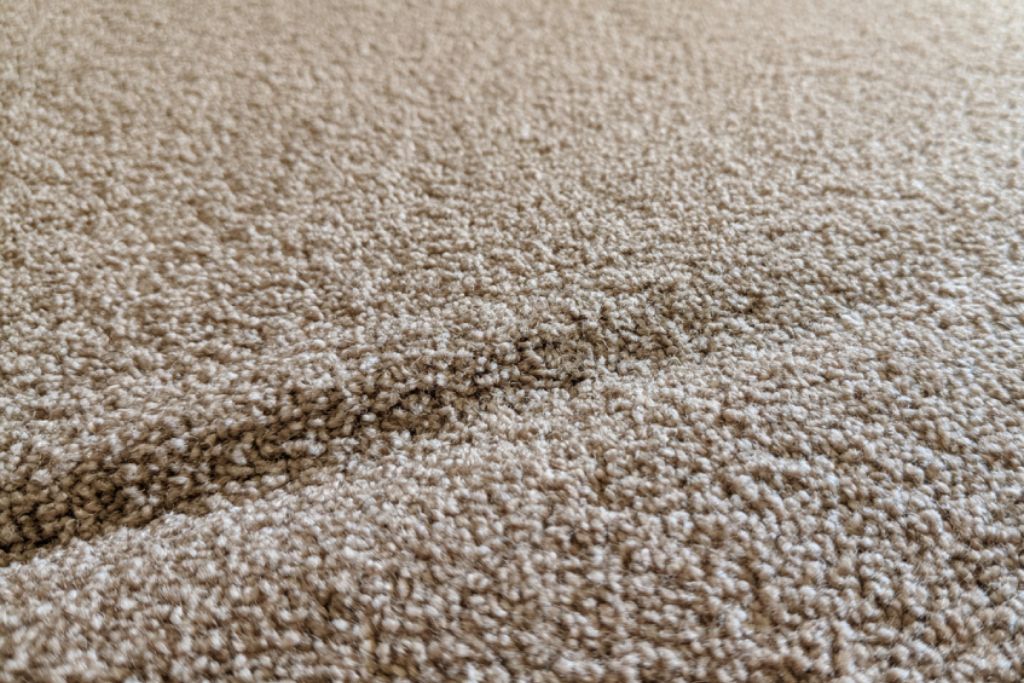
Carpet Ripples and Wrinkles: What Causes Them?
Carpet is supposed to lie flat and smooth across the floor, so it can be frustrating when waves, bumps, or wrinkles suddenly begin appearing. Sometimes the problem develops gradually over several years. In other cases, homeowners notice a ripple seemingly out of nowhere, even though the carpet previously looked perfectly normal.
Carpet ripples can develop for several reasons. Installation problems, changes in humidity, heavy furniture, water exposure, aging materials, and issues with the carpet padding or tack strips can all contribute to loose carpet. Once the carpet loses the proper amount of tension, excess material can begin forming visible waves across the floor.
Although wrinkled carpet may initially seem like a cosmetic problem, it is worth addressing. Repeatedly walking across raised carpet can create additional wear, and larger ripples can make the flooring uneven underfoot. Depending on the condition of the carpet and what caused it to become loose, professional carpet stretching may be able to restore a smoother surface without requiring complete carpet replacement.
Why Does Carpet Develop Ripples and Wrinkles?
Wall-to-wall carpet is installed under tension so that it remains stretched securely across the room. When that tension is lost, the carpet has more material than it needs to cover the space while lying completely flat. The excess material has to go somewhere, which is when homeowners begin noticing waves, wrinkles, or raised sections.
One of the most common factors behind carpet rippling is the original installation. Carpet needs to be properly stretched and secured when it is installed. If sufficient tension was not established from the beginning, the carpet may look normal at first but gradually loosen as people walk across it, furniture is moved, and the flooring experiences everyday household use.
This is why carpet wrinkles do not necessarily appear immediately after a poor installation. Months or even years can pass before the looseness becomes obvious. A relatively new carpet that begins developing widespread ripples without another obvious cause may have had insufficient tension from the beginning.
The way carpet is secured around the room can also contribute to the problem. Wall-to-wall carpet is commonly attached around the perimeter using tack strips. If those attachment points become damaged or are unable to hold the carpet properly, sections can begin pulling away and losing tension. The result may be loose carpet near a wall or a ripple that extends farther into the room.
How Humidity and Environmental Conditions Affect Carpet
Changes inside the home can also affect how carpet behaves. Carpet and the materials used in its construction can respond to environmental conditions, including changes in humidity. During particularly humid periods, some homeowners notice that previously minor waves become more visible.
This does not necessarily mean humidity is the only reason the carpet is loose. In many cases, environmental changes simply make an existing tension problem easier to see. Carpet that was already slightly loose may react more noticeably than flooring that was properly stretched and secured.
Some temporary changes may improve as indoor conditions return to normal. However, carpet that remains visibly wrinkled or continues developing larger waves should be evaluated. Persistent rippling usually indicates that the carpet is no longer maintaining the tension necessary to remain flat.
Maintaining reasonably consistent indoor conditions can be beneficial for many materials throughout a home, including flooring. If carpet repeatedly changes appearance during periods of high humidity, it may be worth determining whether the installation itself needs attention.
Heavy Furniture and Everyday Use Can Contribute to Loose Carpet
Furniture can place significant pressure on carpet, especially when heavy pieces are dragged rather than properly lifted or moved. A sofa, dresser, entertainment center, bed, or other heavy object can pull against the carpet as it moves across the floor. If the carpet already has a tension problem, this force may make the looseness more noticeable.
Rolling heavy objects across carpet can create similar stress. Repeated movement of heavy furniture or equipment over the same section of flooring may contribute to carpet movement over time. The likelihood of a problem depends on the weight involved, carpet construction, installation quality, and existing condition of the flooring.
Normal foot traffic also affects carpet over the years. Hallways, doorways, living room pathways, and other frequently traveled sections receive significantly more use than carpet underneath furniture or in corners. If the carpet begins loosening, these heavily traveled areas may be where homeowners notice the first visible wrinkles.
Dragging furniture should be avoided whenever possible. Appropriate furniture-moving techniques can help protect both the carpet surface and the way the flooring is secured. If wrinkles appear shortly after furniture has been moved, that information can also be helpful when the carpet is professionally evaluated.
Can Carpet Padding Cause Ripples?
The carpet itself is only one part of a wall-to-wall flooring installation. Padding sits underneath the visible carpet and affects how the floor feels and performs. The type, thickness, condition, and compatibility of that padding can influence the overall installation.
Padding that is inappropriate for the carpet may contribute to performance problems, while older padding can deteriorate after years of use. Because the padding is hidden underneath the carpet, homeowners may not realize there is an issue simply by looking at the surface.
Not every carpet wrinkle is caused by the padding, but the materials underneath should be considered when there are extensive or recurring problems. A professional evaluation can help determine whether the carpet simply needs to be stretched or whether another part of the installation also requires attention.
Water and Excess Moisture Can Cause Carpet to Buckle
Water exposure is another potential cause of carpet buckling. A plumbing leak, overflowing appliance, flooding event, or other source of significant moisture can affect both the carpet and the materials underneath it. When carpet and padding become heavily saturated, the flooring may change shape or lose the tension that previously kept it flat.
This situation is different from ordinary carpet rippling caused by age or installation. If a large amount of water has affected the flooring, correcting the visible wrinkle should not be the first priority. The source of the water needs to be addressed, and the affected carpet, padding, subfloor, and surrounding materials may need to be evaluated and properly dried.
Attempting to stretch wet carpet without addressing the underlying moisture problem can hide the visible symptom while leaving a much more important issue unresolved. Once the area has been appropriately evaluated and dried, it can be determined whether the carpet can be restored, stretched, repaired, or needs replacement.
Homeowners should also be careful when using rental or household carpet cleaning machines. Oversaturating carpet with water or cleaning solution does not necessarily result in a better clean. Excessive moisture can increase drying time and may create additional flooring concerns, especially when the carpet already has installation or tension problems.
Can Carpet Cleaning Cause Carpet to Ripple?
Homeowners sometimes notice wrinkles shortly after having their carpet cleaned and assume the cleaning caused permanent damage. Moisture can temporarily affect the appearance of certain carpet installations, and an existing tension problem may become more noticeable while the carpet is damp.
In some cases, minor changes improve once the carpet has dried completely. Carpet that returns to its normal appearance after appropriate drying may not require any additional work.
However, wrinkles that remain after the carpet is fully dry can indicate that the carpet was already loose or that another installation issue is present. Professional cleaning may make an existing problem more visible without necessarily being the original cause of it.
If significant ripples remain after drying, a carpet repair professional can evaluate the installation and determine whether stretching is appropriate.
Why You Shouldn’t Ignore Loose or Wrinkled Carpet
A small carpet ripple may be easy to ignore, especially if it is located in a room that does not receive much traffic. Unfortunately, loose carpet does not always remain in the same condition. Continued walking, vacuuming, furniture movement, and everyday activity can place additional stress on the raised area.
When carpet lies flat, pressure from foot traffic is distributed across the flooring as intended. A wrinkle creates a raised point that bends and flexes whenever someone walks over it. Over time, the top of that ripple may begin showing additional wear compared with the surrounding carpet.
Large wrinkles can also create an uneven walking surface. A raised section may catch a foot, shoe, vacuum cleaner, or another object moving across the floor. This is particularly important in frequently traveled areas such as hallways, living rooms, and doorways.
Addressing carpet ripples before they become severe may help protect carpet that is otherwise still in good condition. A relatively straightforward stretching problem can become more complicated if the loose sections are allowed to experience years of unnecessary wear.
What Is Professional Carpet Stretching?
Professional carpet stretching is a repair process designed to restore appropriate tension to loose wall-to-wall carpet. Rather than simply smoothing a wrinkle by hand, the carpet is properly retensioned across the room and secured so that it lies flatter against the floor.
The exact process depends on the room and the condition of the installation. Carpet may need to be released from sections of the perimeter so specialized stretching equipment can apply controlled tension. Once the excess looseness has been removed, the carpet can be properly secured again. Any excess material created during the stretching process may also need to be trimmed.
Specialized equipment matters because correcting a ripple requires more than pulling on one edge of the carpet. The goal is to restore appropriate tension across the affected area rather than simply moving the wrinkle somewhere else. Room size, seams, doorways, transitions, furniture, tack strips, and the condition of the carpet all need to be considered.
This is also why cutting away a wrinkle or attempting to manually pull the carpet tighter is generally not a good DIY solution. Removing material without properly stretching the carpet can make professional repair more difficult later.
Can Wrinkled Carpet Be Repaired Without Replacement?
Visible ripples do not automatically mean that the entire carpet needs to be replaced. If the carpet is otherwise in good condition, professional stretching may be able to correct the looseness and restore a much smoother appearance.
Whether stretching is worthwhile depends on the overall condition of the flooring. Carpet that has extensive permanent staining, severe wear, damaged backing, widespread deterioration, or other significant problems may not be a good candidate for repair. In those situations, replacement may make more sense than investing in stretching.
Age alone does not necessarily determine the answer. An older carpet that remains structurally sound may still benefit from stretching, while newer carpet with serious damage could require a different solution. The cause of the rippling and the condition of the carpet should both be evaluated.
Carpet that has previously been stretched may sometimes be stretched again, but recurring wrinkles can indicate that another problem is contributing to the looseness. Rather than repeatedly correcting the visible ripple, it is important to understand why the carpet continues losing tension.
How to Help Prevent Carpet Ripples
Not every carpet wrinkle can be prevented, particularly as flooring ages, but several household practices can reduce unnecessary stress on the installation. Proper professional installation is one of the most important factors because carpet that begins with adequate tension is better prepared for everyday use.
Avoid dragging heavy furniture directly across carpet whenever possible. Address plumbing leaks and other sources of water promptly, and use caution with DIY carpet cleaning equipment so the flooring is not unnecessarily saturated. If you notice a small area beginning to loosen, having it evaluated before it develops into a large wrinkle may also help prevent additional wear.
Pay attention to changes in the carpet rather than waiting until waves stretch across an entire room. Loose areas near walls, doorways, or frequently traveled pathways can be early signs that the carpet is losing tension.
When Should You Have Carpet Ripples Professionally Evaluated?
Professional evaluation is a good idea when wrinkles remain for an extended period, continue getting larger, or begin affecting the way the carpet feels underfoot. Loose carpet near walls, raised areas around doorways, waves across heavily traveled sections, or carpet that noticeably shifts when walked on can all indicate that stretching or another repair may be necessary.
You should also seek professional guidance when the cause is unclear. Carpet that suddenly buckles after a water leak, for example, should be approached differently from carpet that has gradually loosened over several years. Identifying the cause helps determine whether stretching alone is appropriate.
When the carpet itself is still in good condition, addressing the looseness can be a practical alternative to replacing an entire room of flooring.
Professional Carpet Stretching for Ripples and Wrinkles
Carpet ripples can develop because of installation issues, changing environmental conditions, furniture movement, water exposure, aging materials, or problems elsewhere in the flooring system. Whatever the cause, persistent wrinkles are worth addressing before repeated foot traffic creates additional wear.
Professional carpet stretching can restore appropriate tension to many carpets that have become loose while allowing homeowners to continue using flooring that is otherwise in good condition. The key is determining why the carpet developed ripples and whether stretching is the right repair for its current condition.
Miracle Steam Pros provides professional carpet stretching and carpet repair services in Frisco and surrounding North Texas communities. If your carpet has developed waves, wrinkles, or loose areas, contact Miracle Steam Pros to have the flooring evaluated and determine the appropriate repair.
Frequently Asked Questions
What is the most common cause of carpet ripples?
Carpet ripples commonly develop when the flooring loses the tension needed to remain flat. Installation issues can contribute, but humidity, furniture movement, age, water exposure, and problems with the way the carpet is secured can also cause or worsen wrinkles.
Will carpet wrinkles eventually go away on their own?
Temporary changes associated with moisture or environmental conditions may sometimes improve after the carpet dries or conditions change. Persistent wrinkles caused by loose carpet generally will not permanently correct themselves and may require professional stretching.
Can you stretch carpet without replacing it?
Yes. If the carpet is otherwise in good condition, professional carpet stretching can often correct ripples and loose sections without replacing the entire floor. A professional should evaluate the carpet first to determine whether it is a suitable candidate.
Does furniture need to be removed before carpet stretching?
Furniture requirements depend on the room, the location of the wrinkles, and the repair being performed. Some items may need to be moved to provide access to the carpet and perimeter. Ask your carpet repair provider what should be moved before the appointment.
Should carpet be stretched before or after professional cleaning?
The appropriate order can depend on the condition of the carpet and the reason it is loose. If both cleaning and stretching are needed, a professional can evaluate the flooring and recommend the best order for the specific situation.
